A Guide to Custom Framing Services at The Photo Place
A meaningful photograph deserves more than a quick print and a standard frame. Custom framing protects the image, complements its colors, and turns a personal memory or creative project into something ready to display. The right combination of matting, glazing, frame style, and proportions can make a noticeable difference in how a finished piece looks on the wall.
The Photo Place has served the Youngstown, Ohio area since 1983, helping families, artists, photographers, and businesses create finished photo products for their homes and workspaces. Custom framing is especially useful when a print has unusual dimensions, sentimental value, or a professional presentation requirement.
Whether you are framing a wedding portrait, a family photograph, an art print, or a collection of images, a professional photo lab can help you move from a loose print to a carefully finished display. The process is personal, practical, and focused on preserving the image for years to come.
Why Custom Framing Matters
A frame does more than surround a photograph. It creates a visual boundary between the image and the room, giving the artwork a sense of purpose and scale. A well-chosen frame can draw attention to the subject without overpowering it, while a mat can provide breathing room around the print and help it stand apart from the wall.
Custom framing also provides protection. Photographs can be affected by dust, fingerprints, humidity, sunlight, and contact with acidic materials. Professional framing methods use suitable backing, mounting materials, and glazing options to reduce these risks. For irreplaceable family images or limited-edition work, those details are worth considering.
A professionally finished frame can also solve display problems that ready-made sizes cannot. Panoramic images, square prints, oversized portraits, collage layouts, and vintage photographs often need custom measurements. Instead of trimming the image or leaving awkward gaps, the frame can be built around the photograph.
Selecting the Right Frame Style
Frame selection should reflect both the photograph and the location where it will be displayed. A simple black or white profile often suits contemporary portraits and black-and-white photography. Natural wood can bring warmth to landscapes, family pictures, and rustic interiors. Metallic finishes may complement modern artwork, architectural images, or formal spaces.
The width and depth of the frame matter as much as its color. A large print may need a wider profile to maintain visual balance, while a small photograph can become overwhelmed by a heavy frame. A deep frame may be appropriate for a substantial mat or layered presentation, but a slim profile can create a cleaner appearance for minimalist décor.
The image itself should guide the decision. Look at dominant colors, contrast, subject matter, and the mood of the photograph. Neutral framing is often a safe choice for colorful images, while a carefully selected accent color can emphasize a subtle detail in the print. Professional assistance is useful when several options seem possible and you want to compare them in person.
Matting, Glazing, and Image Protection
Matting creates space between the photograph and the frame. It can make a small image feel more substantial, establish a formal presentation, or separate the print from the glass. Single mats are versatile, while double mats can add depth and introduce a second color. The mat opening should be sized carefully so the photograph remains secure without hiding important parts of the image.
Glazing refers to the glass or acrylic placed over the print. Standard clear glazing offers a familiar presentation, while non-glare options can reduce reflections in rooms with strong overhead lights or windows. Conservation-oriented glazing can provide additional ultraviolet protection, which is helpful when a framed piece will be exposed to daylight.
The best choice depends on the image, location, budget, and level of protection required. A treasured original or signed photograph may justify premium protective materials, while a temporary decorative print may need a simpler solution. The Photo Place can help match framing components to the value and intended use of the photograph.
For additional guidance on keeping photographs safe before and after framing, these photo preservation tips explain how storage conditions, handling, and light exposure affect printed images over time.
Framing Options for Different Projects
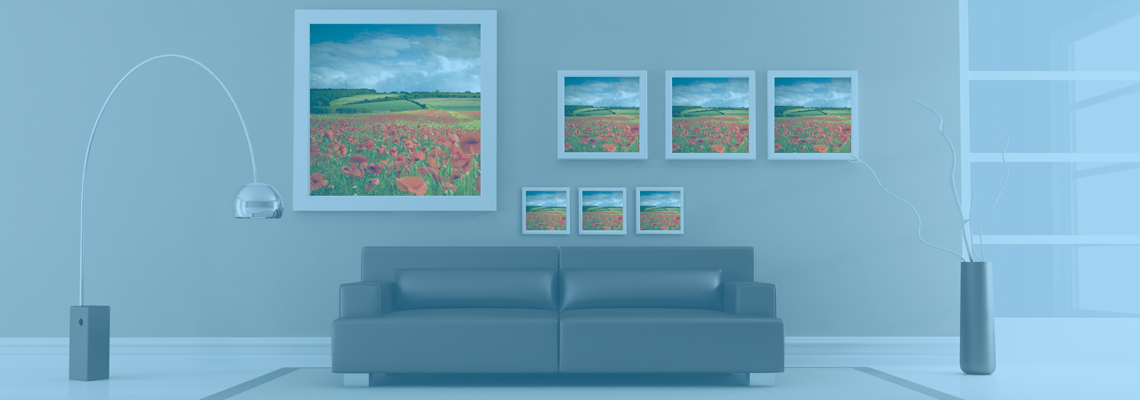
Custom framing can be tailored to many types of photo displays. A single family portrait may call for a classic mat and a coordinated frame, while several travel photographs can be arranged as a gallery wall. Matching frames create consistency, whereas a carefully mixed collection can produce a more relaxed and personal look.
Professional photographers may need framed samples for client presentations, studio displays, exhibitions, or competitions. Wedding and portrait photographers can also coordinate framed enlargements with albums, proof sheets, and other finished products. A consistent presentation helps reinforce a studio’s visual identity and gives clients a better sense of how their images will appear in a home.
Specialty projects may include floating mounts, multi-opening mats, shadowbox-style displays, and framed memorabilia. A photograph paired with a handwritten note, invitation, medal, or other keepsake can become a meaningful display when the components are arranged with proper spacing and protection.
The Photo Place also offers a broad range of photo finishing services, making it possible to coordinate printing and display needs through one experienced local provider. Starting with the correct print size and surface can simplify the framing process and improve the final result.
Comparing Common Framing Choices
There is no single framing combination that works for every photograph. The ideal choice depends on where the piece will hang, how long it should last, and the impression you want it to create. The following comparison provides a starting point when evaluating materials and presentation styles.
| Framing choice |
Best suited for |
Main benefit |
Consideration |
| Standard clear glazing |
Everyday portraits and decorative prints |
Bright, crisp presentation |
Can show reflections |
| Non-glare glazing |
Rooms with windows or strong lighting |
Reduces distracting reflections |
May slightly soften image clarity |
| UV-protective glazing |
Valuable or frequently displayed photographs |
Helps limit light-related fading |
Usually costs more |
| Single mat |
Clean, classic presentations |
Adds space around the image |
Less visual layering |
| Double mat |
Formal portraits and artwork |
Creates depth and color contrast |
Requires careful color selection |
| Wood frame |
Landscapes, family photos, warm interiors |
Adds natural texture |
Grain and finish affect the mood |
| Metal or narrow modern frame |
Contemporary artwork and minimalist rooms |
Sleek, understated appearance |
May feel less traditional |
These choices can be combined in many ways. For example, a black-and-white wedding portrait might work well with a wide white mat, a narrow black frame, and non-glare glazing. A colorful landscape may benefit from a natural wood frame and a neutral mat that keeps attention on the scene.
A framing professional can also check the physical condition of the print before assembly. Curling, uneven borders, fragile paper, or unusual surfaces may influence the mounting method. Addressing those details early helps prevent avoidable damage and ensures the final piece sits properly.
Preparing Your Photograph for Framing
Bring the photograph, artwork, or digital file to the project with a clear idea of its intended location. Measure the wall space and consider nearby furniture, lighting, and existing décor. If the frame will be part of a gallery wall, note the dimensions and colors of the surrounding pieces so the new work feels connected.
If you only have a digital image, printing quality becomes part of the framing decision. Resolution, crop, paper finish, and print dimensions should be reviewed before the frame is ordered. A high-quality enlargement can create a stronger finished display than a small print placed inside an oversized opening.
Handle original photographs carefully and avoid placing adhesive, tape, or labels directly on the image. If an older photograph has stains, tears, or other concerns, ask about suitable handling and reproduction options before framing. A reprint may be preferable when the original is too delicate for display.
Keep in mind that the finished dimensions include the frame and mat, not just the photograph. This is particularly important for large-format prints and pieces intended for narrow walls. Reviewing the complete size in advance helps avoid surprises when the finished work is ready to hang.
Creating a Display That Lasts
Once the frame is complete, placement and care still influence its longevity. Avoid hanging valuable photographs in direct sunlight, above heat sources, or in areas with significant moisture. Kitchens, bathrooms, and unconditioned spaces can expose prints and framing materials to conditions that encourage warping or deterioration.
Dust the frame with a soft, dry cloth and follow the care instructions for the glazing material. Do not spray cleaner directly onto the front of the frame, since liquid can seep into the edges and reach the mat or photograph. If the glazing needs cleaning, apply an appropriate cleaner to a cloth rather than the framed piece itself.
For a group of family photographs, consider using coordinated frames and consistent mat proportions. For artwork or professional photography, allow enough wall space around each piece so the display does not feel crowded. Thoughtful spacing can make several individually framed images appear as a unified collection.
Useful decisions to make before ordering include:
- Measure the available wall space and record the desired finished dimensions.
- Decide whether the photograph needs standard, non-glare, or UV-protective glazing.
- Choose a frame style that complements both the image and the surrounding room.
- Consider whether a single mat, double mat, or multi-opening layout suits the project.
- Ask about mounting and preservation materials when framing an original or valuable print.
Custom framing turns a photograph into a finished object that can be displayed with confidence. At The Photo Place, customers can receive help with printing, sizing, matting, frame selection, and protective finishing in one place. Visit the Youngstown-area retail location or begin with the lab’s available services to create a display that gives your photograph the care and attention it deserves.