Behind the scenes at The Photo Place: a tour of the lab
A finished photograph may look simple when it arrives in your hands, but every print reflects a sequence of careful decisions. At The Photo Place in the Youngstown, Ohio area, film, digital files, portraits, artwork, and personal snapshots move through different parts of a professional photo lab before they become display-ready products.
Since 1983, the lab has helped customers preserve memories and present images in useful, creative formats. That work includes film developing, digital printing, enlargements, passport photos, wall decor, photo gifts, and professional photography finishing. Customers can order online, mail in film, or visit the retail location for guidance.
A behind-the-scenes look at the process reveals why photo finishing is more than pressing “print.” It involves image preparation, color control, material selection, careful inspection, and finishing choices that match how a photograph will be used.
Entering a working photo lab
The first step is understanding the customer’s image and intended result. A family snapshot may need a standard print, while a wedding portrait could be selected for an album, framed enlargement, or gallery wall. A photographer may need proof sheets, client-ready prints, or multiple copies with consistent color.
Orders can begin with a physical item, a digital upload, or film sent through the mail. Each source has different requirements. Film must be processed before its images can be printed, while digital files may need resolution checks, cropping, or adjustments for the selected paper size.
The retail setting also plays an important role. Customers who are unsure about dimensions, finishes, or display options can receive assistance before committing to an order. That personal guidance is especially useful when an image is intended for a large wall print or a personalized gift.
Where film becomes visible again
Film processing is one of the most distinctive parts of a traditional photo lab. A roll contains latent images that cannot be evaluated like ordinary digital files until it has been developed through the appropriate chemical process. The lab’s work turns those exposures into negatives, scans, or prints that can be reviewed and preserved.
Handling film requires consistency. Temperature, timing, cleanliness, and careful physical handling all affect the result. Once developed, the negatives become a valuable original source. They can be scanned for digital use, printed in different sizes, or stored for future projects.
Mail-in film processing extends this service beyond the Youngstown area. Customers can send in rolls for development and receive usable image files or prints, depending on the order. For families rediscovering older cameras or photographers returning to analog work, this creates a practical path from film capture to modern sharing.
Film also benefits from thoughtful preservation. Negatives should be kept in suitable sleeves and away from heat, moisture, and excessive light. A lab can help transform the contents of a roll into accessible prints and scans while the original film remains available for later use.
From file to physical print
Digital printing begins with the image file, but the final appearance depends on more than the pixels on a screen. The lab considers the file’s dimensions, resolution, aspect ratio, and intended print size. Cropping may be needed when the proportions of a photograph do not match the proportions of the paper.
Color management helps create a more predictable connection between the monitor and the printed piece. Paper selection also changes the visual character of an image. Glossy surfaces can emphasize contrast and color, while matte finishes may reduce reflections and create a softer presentation.
Large-format printing demands additional care because small problems become easier to see as the image grows. A file that looks sharp as a 4-by-6 print may show softness when enlarged dramatically. Reviewing the source before production helps customers select a size that supports the image rather than exposing its limitations.
| Project stage |
What the lab considers |
Possible finished output |
| Film intake |
Roll type, processing needs, and requested format |
Developed negatives, scans, or prints |
| File preparation |
Resolution, crop, orientation, and color |
Standard or enlarged digital print |
| Material selection |
Surface, weight, durability, and viewing conditions |
Glossy, matte, or specialty print |
| Quality review |
Sharpness, alignment, color, and visible defects |
Approved print ready for pickup or shipping |
| Finishing |
Mounting, framing, or personalization |
Wall decor, gift, album page, or display piece |
The finishing work behind professional images
Professional photographers often need a consistent production partner after the camera work is complete. The image may be strong, but clients also judge the quality of the album, proof sheet, framed print, or presentation package. Reliable finishing helps photographers maintain a polished experience from gallery selection through delivery.
The Photo Place supports working photographers with products and production options designed for client work. Its professional finishing services can help turn edited images into tangible materials, including albums, proof sheets, framed prints, and other professional output.
Albums require attention to sequence, layout, image size, and the relationship between adjacent pages. Proof sheets need clear organization so clients can compare images efficiently. Framed work adds another set of considerations, including print proportions, border space, mounting, and the way the piece will be viewed on a wall.
Quality control is central to each of these projects. Staff may inspect prints for unwanted marks, uneven borders, incorrect orientation, or other issues before the order is released. This review is particularly important for one-of-a-kind pieces and event photography orders with firm delivery expectations.
Turning photographs into wall decor and gifts
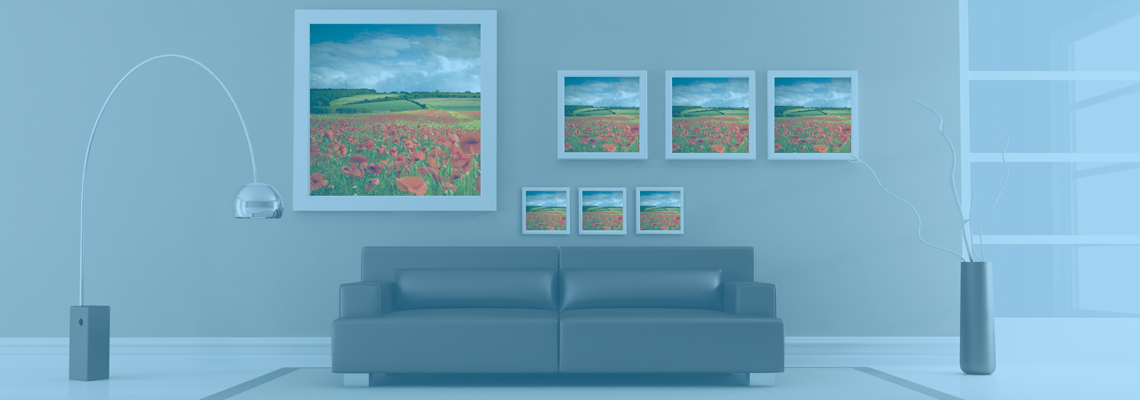
A photograph becomes part of an interior when it is printed at a suitable scale and paired with an appropriate display method. Wall decor can include enlargements, framed prints, and other presentation formats that give an image a longer life than a file stored on a phone.
The best choice depends on the image, the room, and the viewing distance. A detailed landscape may benefit from a larger format, while a family portrait may work well in a framed size chosen to complement existing decor. Color, contrast, and available wall space all influence the finished presentation.
Personalized photo gifts bring the same production principles into everyday items. A meaningful image can be adapted for a keepsake or custom product, but the source file still matters. Clear, well-lit photographs generally produce more attractive results than heavily compressed screenshots or low-resolution downloads.
The lab’s broader lab services include options for personal projects, document needs, prints, gifts, and display pieces. Having several services available in one place allows a customer to compare formats instead of forcing every image into the same kind of product.
Small details that protect the final result
Passport photos and other official images have requirements that differ from creative portrait prints. Correct framing, lighting, facial visibility, and background treatment matter because the photograph must satisfy a specific use rather than simply look attractive. An experienced photo lab can help customers avoid common problems before submission.
For ordinary prints, the details may be subtler. A horizon that tilts slightly, a subject clipped at the edge, or a border that appears uneven can change the impression of the finished image. Reviewing an order at the preparation stage helps catch issues that may be overlooked on a small phone screen.
Customers can also make better decisions by identifying the purpose of the image first. A print for a scrapbook has different needs from one for a gallery wall. A photographer delivering proofs has different priorities from a parent ordering a small set of holiday prints.
Ways to prepare a successful order
A little preparation makes the lab process smoother and can help avoid unexpected cropping, softness, or sizing issues.
- Choose the intended use before selecting the print dimensions.
- Bring the highest-resolution original file available rather than a social media download.
- Keep film rolls labeled when sending several projects for processing.
- Review crop, orientation, and paper preferences before approving an order.
- Ask about mounting, framing, albums, or other finishing options when the image is meant for display.
The staff can help translate an idea into a workable product, whether the project starts with a box of old negatives, a folder of digital files, or a portrait session from a professional photographer. Visiting the retail location is useful when material samples, size comparisons, or personal assistance would make the decision easier.
A lab tour also changes how people think about their images. Printing is a physical craft supported by technical checks and human judgment. Each stage, from intake to inspection, contributes to the final object that leaves the lab.
Bring your film, digital files, portrait order, or wall-art idea to The Photo Place and give it a finished form. Online ordering and mail-in processing make the lab accessible from home, while the Youngstown-area retail location offers hands-on help when you want to review options in person.