How to Choose Between Float Mounts and Shadow Box Frames
The right presentation can change how a photograph, print, or keepsake feels in a room. A float mount creates visual space around a flat image, while a shadow box frame adds depth and protection for objects, layered artwork, and treasured mementos. Both can look polished, but they suit different materials, rooms, and display goals.
For Australian homes, the decision may also depend on strong sunlight, compact apartment walls, coastal humidity, and the practicalities of transporting framed work. Whether the piece will hang in a Sydney flat, a Brisbane family room, or a Melbourne studio, consider the artwork’s thickness, scale, lighting, and long-term care before choosing a frame style.
How Float Mounts Create Visual Space
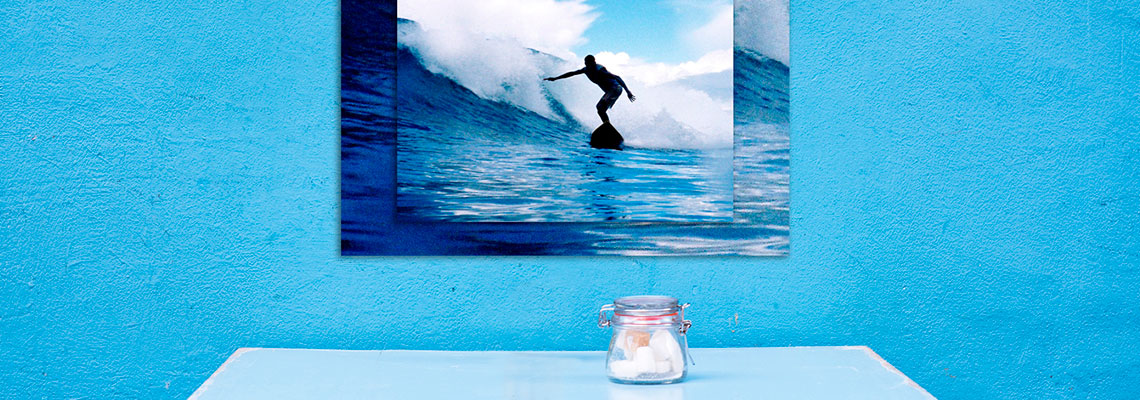
A float mount secures a photograph, canvas, board print, or paper artwork so it appears to sit slightly away from the backing. A narrow gap around the edges produces a floating effect, drawing attention to the complete image rather than covering part of it with a mat or frame lip. The visible edges can add a modern, gallery-style finish.
This option works particularly well for photographs with important details close to the borders. It can also suit artwork printed on aluminium, wood, or a rigid panel. The clean spacing gives the piece a lighter appearance, which is useful in smaller rooms where a heavy frame might dominate the wall.
Float mounting is generally best when the artwork itself is flat and visually complete. If the piece has loose layers, fabric, shells, flowers, medals, or other raised features, the available depth may be insufficient. A professional framer or photo lab can help determine whether the mount needs a spacer, a deeper frame, or a protective glazing system.
When A Shadow Box Is The Better Fit
A shadow box frame has a deeper cavity than a standard picture frame. That extra space accommodates three-dimensional objects while keeping them behind glass or acrylic. The contents may be mounted against a backing board, arranged in layers, or suspended to create deliberate shadows between elements.
This format is suitable for wedding keepsakes, sporting memorabilia, children’s artwork, military items, travel souvenirs, textiles, and collections of small photographs. It can also transform a group of ordinary objects into a carefully composed display. For example, a family might combine a team scarf, ticket stubs, medals, and a portrait in one coherent arrangement.
The depth should match the object rather than simply being chosen for appearance. A shallow box can press against bulky items, while an excessively deep frame may make a small display look lost. Consider how the objects will be viewed from different angles, especially in a hallway or open-plan living area where people may see the frame from the side.
Compare Light, Glazing, And Print Materials
Sun exposure is an important consideration in Australia. A framed print placed near a north-facing window in Melbourne or exposed to afternoon light in Perth may fade faster than one displayed in a shaded hallway. UV-filtering glazing can reduce damage, although it cannot make artwork completely immune to fading. Curtains, blinds, and sensible wall placement remain valuable protection.
The choice of print process also affects the final result. Inkjet photographic prints can offer excellent tonal detail and a wide colour range, while laser prints may suit certain commercial applications and finishes. Before ordering a large image, review this guide to inkjet and laser prints so the printing method matches the intended display.
For a float mount, the print surface and board need to remain stable and smooth. For a shadow box, the backing should support the weight of every object without bowing. Archival-quality papers, acid-free boards, suitable adhesives, and conservation mounting methods are worthwhile when the display contains irreplaceable photographs or documents.
Glazing choices also affect reflections, weight, and safety. Acrylic is lighter and less likely to shatter, which can be helpful in homes with young children or in areas where framed pieces are frequently moved. Glass can provide a crisp appearance but may add considerable weight, especially to a large shadow box.
Match The Style To The Room And Subject
Float mounts tend to suit contemporary interiors, minimalist rooms, office spaces, and displays where the photograph should remain the main focus. A slim black, white, or natural timber profile can complement modern Australian interiors, including compact apartments in Sydney or renovated terrace homes in Brisbane. The restrained border leaves breathing room around the image.
Shadow boxes have a more object-focused character. Their depth can add warmth to a family room, study, nursery, or entryway. Timber frames often work well with handmade objects and heritage pieces, while painted finishes can coordinate with a child’s room or a themed collection. A shadow box may also be the better choice for a display that needs to tell a story through several connected items.
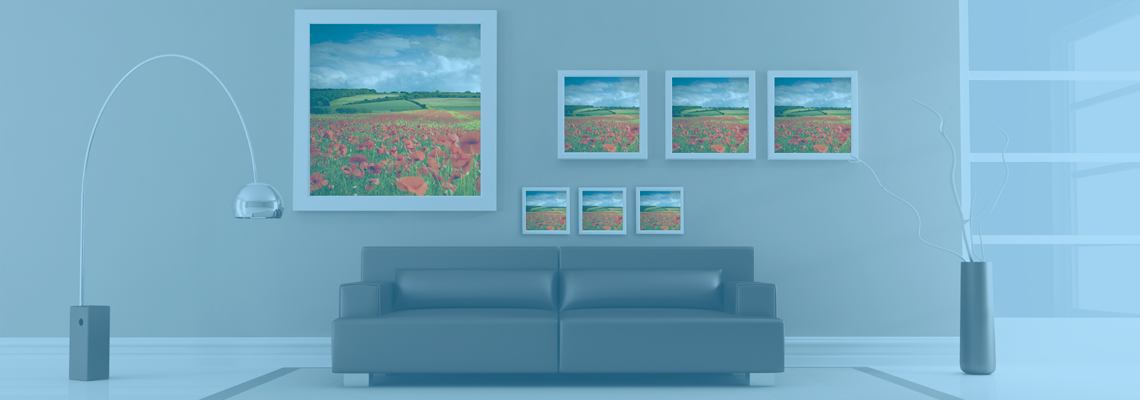
Scale matters as much as style. A large photograph with strong composition may need generous surrounding space, while a collection of small keepsakes could benefit from a larger box that allows a balanced arrangement. In an Australian rental, where wall alterations may be restricted by the tenancy agreement, one substantial frame can sometimes create more impact than several smaller pieces.
Colour should be considered alongside the room’s natural light and existing furniture. Neutral framing is usually versatile, but a subtle accent colour can help a display feel intentional. Avoid choosing the frame in isolation: compare it with the wall paint, flooring, furniture, and the colours within the photograph or objects.
Plan For Preservation, Handling, And Cost
A float mount is often simpler and lighter than a deep shadow box, which can reduce framing and hanging costs. The final price still depends on the artwork size, backing material, glazing, frame profile, and whether conservation techniques are required. Large-format pieces may need reinforced hanging hardware and professional installation.
Shadow boxes generally cost more because they require deeper moulding, stronger backing, careful object placement, and additional labour. The contents may also need custom supports. Ask whether the mounting method can be reversed without damaging the objects, particularly when displaying antique textiles, original documents, or valuable memorabilia.
Australian conditions make ventilation and moisture worth considering. Coastal areas such as Adelaide, Newcastle, or parts of Queensland can expose framed displays to humid air and temperature changes. Avoid placing a deep frame directly above a heater, in a damp bathroom, or against a wall that regularly receives condensation. Objects should be fully dry before mounting, and delicate materials should not be sealed in a way that traps moisture.
Personalised photo products can also be designed around the same display principles. If a collection is better suited to a gift or tabletop format than a wall frame, a multi-image puzzle may provide a practical alternative; these custom photo puzzle ideas can help with selecting images and arranging a coherent set.
A Practical Checklist Before Ordering
Use the following checks to narrow the choice before visiting a framing professional or placing an online print order:
- Choose a float mount for a flat image when you want clean edges and a contemporary gallery effect.
- Choose a shadow box when the display includes objects, layers, fabric, or meaningful depth.
- Measure the artwork, frame location, doorway, stairwell, and available wall space before selecting a large size.
- Identify strong sunlight, humidity, heat sources, and areas where the frame may be touched or knocked.
- Select UV-reducing glazing and archival materials for valuable, sentimental, or irreplaceable contents.
- Match the frame colour and profile to the room rather than choosing solely from a sample image.
- Confirm the hanging hardware and total weight, especially for large pieces or rental properties.
Make The Choice With A Simple Test
Lay the artwork or objects on a table and photograph them from the front and side. If the composition depends on a clean border and the item remains visually complete when flat, a float mount will probably provide the stronger presentation. If the display gains meaning from layers, shadows, or physical objects, sketching it inside a deep outline will reveal why a shadow box is more appropriate.
Think about how the display will age as well as how it looks on the day it is framed. A family photograph may deserve archival printing and protective glazing, while a temporary seasonal arrangement may need a simpler, more affordable solution. Professional finishing services can help with print sizing, mounting, proofing, framing, and display-ready preparation when precision matters.
Measure the wall and the artwork, note the room’s sunlight and humidity, then request a frame quote based on those exact dimensions.