How to Choose the Right Frame for a Group Portrait
Group portraits carry stories. A wedding party, three generations gathered at a reunion, or a graduating class captured in a single frame deserve more than a generic border. Choosing the right frame for a multi-person portrait means balancing respect for the people in the image with the practical realities of where the picture will live for years to come.
Australia has a long tradition of milestone photography, from formal school portraits mailed home to beach weddings along the New South Wales coast. With families often spread across Sydney, Melbourne, Brisbane, and regional centres like Toowoomba or Ballarat, a finished portrait is regularly shipped rather than handed over in person. That journey, and the climate it arrives in, shapes the decisions a framer makes.
The right frame protects the print, complements the people inside it, and suits the wall it hangs on. A thoughtful choice turns a photograph into a piece of personal history that can be passed down for decades.
Reading the Photograph First
Before browsing mouldings or glass options, look at the photograph itself. A multi-person portrait carries many faces, clothing colours, and expressions, and the frame should not fight any of them. Cool-toned images from a coastal family session in Noosa often pair well with simple silver, white, or natural oak frames, while warm-toned studio portraits of formal attire tend to suit darker walnut or espresso finishes.
Count the focal points. A group portrait with one central figure, such as a parent holding a newborn surrounded by siblings, can support a more decorative frame because the eye is guided inward. A wide group shot of twelve colleagues from a Melbourne law firm is busier by nature, and a slim, understated border lets the faces do the talking. Treat the frame as a quiet supporting actor rather than the lead.
Think about the emotional register. A candid photo of friends laughing at a backyard barbie calls for something relaxed, perhaps a raw timber frame. A formal commissioned portrait for a corporate boardroom in the Sydney CBD leans toward refined mouldings with clean lines. The frame should match the moment captured, not impose a new mood on it.
Matching the Frame to Your Room
Australian homes vary widely, and the room where the portrait will live dictates a great deal. Federation homes in Adelaide often feature high ceilings, picture rails, and rich timber wall panels that welcome ornate gold or dark wood frames. A modern apartment in Perth with white walls and concrete floors suits a thin black or white box frame that disappears into the architecture.
Consider the colours already on the wall. A portrait of a wedding party in soft pastels will look washed out against a pale grey feature wall, while a vibrant beach shoot can handle a neutral backdrop. Take a photo of the intended wall on your phone and hold frame samples up against it before deciding. The lighting in the room matters as well; north-facing rooms in the southern states deliver softer light, while harsh western sun in Brisbane can bleach unprotected prints quickly.
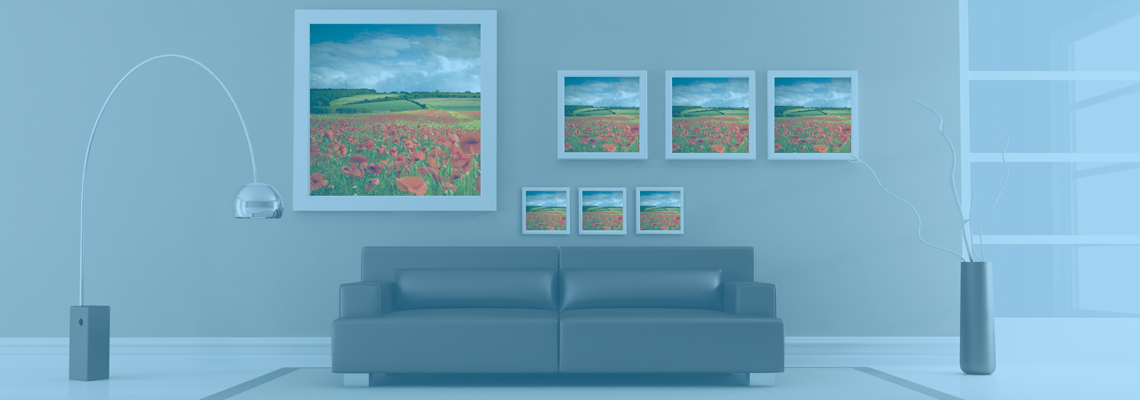
Existing furniture and art help anchor the choice. A gallery wall of family photos in a suburban Melbourne living room creates a relaxed mix, so a matching frame style across the group is more forgiving. A standalone hero piece above a sideboard deserves a frame with presence. Looking at the room honestly saves both money and the frustration of a rework.
Materials and Construction
Frame materials affect longevity as much as looks. Solid timber, particularly Australian-grown species like Tasmanian oak or spotted gum, handles the country's variable humidity far better than cheap MDF or particleboard. Coastal homes from the Gold Coast to Geelong face salt-laden air that corrodes metal fittings and warps inferior boards, so stainless steel or brass hardware is worth the upgrade.
Mat boards should be acid-free and, ideally, lignin-free. Standard cardboard mats yellow within a few years and can stain the print edges. Conservation-grade mats cost a little more but preserve the photograph for generations, which matters when the portrait is of grandparents or a once-in-a-lifetime family gathering. For colour accuracy when matching skin tones under different lighting, a color checker approach is a useful reference.
Glass is another place not to skimp. Standard glass reflects light and offers no UV protection, which is a problem in sun-drenched Australian rooms. Opt for museum or conservation glass with at least 99 percent UV blocking. Anti-reflective coatings make viewing easier under downlights, which are common in new Australian builds. The small premium pays for itself through a print that does not fade or warp over time.
Sizing and Proportions
A common mistake is choosing a frame that is too small. For a group portrait, the frame should add visual weight without crowding the image. A useful rule is to add a mat border of roughly five to eight centimetres on each side for smaller prints, scaling up for larger ones. This breathing room signals that the image is the focus, not the frame.
Measure the wall first, then the print, then the frame. A portrait that fills only the middle third of a wall looks lost, while one that extends nearly edge to edge feels overwhelming. In rooms with the tall ceilings typical of Brisbane Queenslanders or Victorian terraces in Melbourne, vertical orientations tend to work well. Horizontal group portraits suit longer hallways or above-sofa placements in family rooms.
Double-check the print dimensions against standard frame sizes. While custom framing solves nearly every issue, ready-made frames are more affordable and quicker, and many Australian retailers stock common sizes. For odd dimensions, a custom frame from a professional lab ensures a perfect fit, tighter joins, and the option of archival mounting. Albums and book-bound keepsakes often follow similar logic, much like the choices explored in this hardcover and layflat guide.
Matting and Glass Choices
Matting is more than a decorative border. A wide mat pulls the eye into the photograph, separates the print from the frame's inner edge, and creates a small air gap that protects against condensation. For multi-person portraits, a single mat in a soft white, cream, or warm grey tends to flatter most skin tones and clothing colours without competing.
Coloured mats can work, but they should echo a tone already present in the image. A muted sage mat can tie together a portrait taken in a Brisbane botanic garden, while a deep navy mat can ground a formal school photo. Avoid bright or saturated mat colours that pull attention away from the faces. Double matting, with a thin inner border of colour and a wider outer border of neutral, adds depth without distraction.
Glass choice affects how the portrait is enjoyed daily. Anti-reflective glass is ideal for portraits hung opposite windows, which is common in Australian living areas that open onto decks. For heirloom pieces, acrylic glazing with UV filtering is lighter and safer in homes with small children, though it scratches more easily. Whichever option is selected, ensure the glazing is sealed properly to keep dust and insects out, particularly in homes with open-plan indoor-outdoor living.
Practical Considerations and Hanging
The best frame in the world fails if it falls off the wall. Australian masonry walls in brick-veneer homes require different fixings than plasterboard in newer apartments. Plasterboard anchors rated for the frame's weight are essential, and for heavy framed portraits, fixing into a stud or using a French cleat prevents sagging over time. Heirloom pieces above a child's bed or in a busy hallway should be secured with safety straps or anti-tip hardware.
Think about transport and installation. A large framed group portrait is awkward to move and vulnerable to corner damage. Many Australian customers choose to have their portraits delivered by Australia Post or a courier service, and it is worth paying extra for a lab that wraps the frame in custom packaging with corner protection. Some print labs even offer professional hanging services for clients in capital cities, which removes the stress of levelling and anchoring a heavy piece.
Long-term care is the final piece. Dust frames with a soft, dry cloth, avoid chemical cleaners, and keep the portrait out of direct afternoon sun. A yearly check of the hanging hardware, particularly in homes that experience the seasonal shifts of a Melbourne winter or a humid Brisbane summer, prevents accidents. Choosing a frame with replaceable parts makes future conservation simple, and the structured logic of an online position guide can help when comparing different frame profiles on merit.
Frame selection notes worth keeping in mind:
- Match the frame's formality to the portrait's mood, not just the wall colour.
- Invest in archival mats and UV-protective glass to protect skin tones from fading.
- Custom sizing prevents awkward gaps between print, mat, and moulding.
- Hanging hardware should match the wall type and the frame's finished weight.
Simple steps for keeping a framed portrait at its best:
- Dust monthly with a microfiber cloth, never spray cleaners directly on the glass.
- Keep the frame out of direct sunlight and away from heating vents.
- Check wall fixings once a year, especially after seasonal humidity shifts.
- Store spare hardware and the original packaging in case the portrait needs to be moved.
The frame chosen is the silent partner to every person in the photograph. It holds the memory steady, shields the print from the harsh Australian sun, and gives the image a place of honour in the home. A multi-person portrait, whether of a wedding party, a work team, or three generations of one family, deserves a frame chosen with the same care that went into taking the picture in the first place.