How to choose the right mounting for your wall art
A strong photograph or art print deserves a presentation that supports its colors, protects its surface, and suits the room around it. Mounting is more than a finishing detail: it affects how the image is viewed, how long it lasts, and how easily it can be displayed.
The right choice depends on the artwork, the wall, the frame, and the atmosphere you want to create. A family portrait may call for a traditional framed finish, while a dramatic landscape can have greater impact as a sleek canvas wrap or mounted metal print.
Understanding the differences between foam board, mat board, canvas, acrylic, metal, and framed displays makes the selection process easier. It also helps you avoid choosing a finish based only on appearance when practical factors such as glare, moisture, weight, and maintenance matter just as much.
Start with the artwork and the room
Consider the image itself before choosing a mounting material. Detailed photographs, fine-art reproductions, and black-and-white portraits often benefit from a clean, controlled presentation that keeps attention on the image. A custom mat and frame can add visual space around the print, while a face-mounted acrylic panel can emphasize sharp detail and saturated color.
The room also guides the decision. A formal living room, office, or gallery wall may suit a framed print with a coordinating mat. Modern interiors often work well with borderless metal or acrylic. For bedrooms, nurseries, and casual family spaces, canvas can add warmth and soften the overall appearance.
Think about the viewing distance as well. A small print mounted with a wide mat can feel intentional on a narrow wall, while a large-format photograph may need a simple edge treatment to avoid looking visually crowded. The scale of the art should relate to nearby furniture, ceiling height, and the size of the wall.
Know what each mounting option does
Traditional framing remains one of the most adaptable choices. A frame protects the edges of the print and can be paired with glazing, a mat, backing, and archival materials. This approach offers many style options, from understated black and natural wood to ornate finishes, and it can be changed later if the room’s décor evolves.
Canvas wraps create a softer, gallery-inspired look. The image is printed on canvas and stretched around a wooden frame, with the artwork continuing across the sides or a mirrored edge added to preserve the full composition. Canvas is lightweight and works well for large wall pieces, though its textured surface may show less fine detail than a smooth photographic print.
Foam board and gatorboard are lightweight mounting substrates commonly used for temporary displays, presentations, signs, and inexpensive wall décor. They provide a neat, rigid surface but generally offer less long-term protection than a professionally framed or sealed piece. These options are useful when weight and budget are priorities.
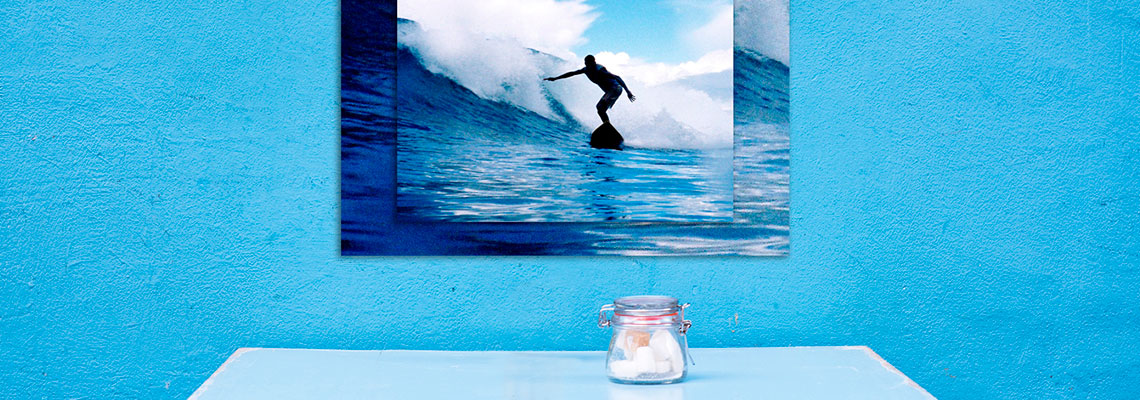
Metal and acrylic prints create a contemporary finish. Metal produces rich contrast and a luminous appearance, while acrylic adds depth and a glass-like surface. Both can make colors look vivid, but reflective surfaces may create glare near windows or strong lighting. A careful display location is essential.
Match the finish to image quality
Mounting cannot correct an image that is too small, soft, or poorly exposed. Before ordering a large print, check the file dimensions, focus, cropping, and color balance. A photograph may look sharp on a phone but reveal blur or compression artifacts when enlarged significantly.
For photographers preparing a wall display, these large-format printing tips can help preserve clarity from capture through final output. A high-resolution original, appropriate sharpening, and a well-planned crop give the mounting process a stronger foundation.
Surface finish influences perceived sharpness. Glossy and smooth materials can make detail appear crisp, while canvas texture diffuses fine lines and gives the image a painterly quality. Matte photographic paper reduces reflections and fingerprints, making it a practical choice for brightly lit rooms.
Color also deserves attention. Vibrant travel photographs and commercial images may benefit from metal or acrylic, while muted landscapes and vintage family photographs can look more natural with a matte print, warm frame, or neutral mat. The mounting should reinforce the mood rather than compete with it.
Compare appearance, durability, and cost
Budget is important, but the least expensive option is not always the best value. A piece intended for a hallway or child’s room may need a durable, easy-to-clean surface. An heirloom portrait may justify archival framing and UV-protective glazing. For a rental, event, or seasonal display, a lighter and simpler mount may be entirely appropriate.
Use the following comparison as a starting point. Exact pricing varies with size, materials, edge treatments, glazing, and finishing labor.
| Mounting option |
Visual character |
Best suited for |
Main considerations |
| Framed print with mat |
Classic, layered, customizable |
Portraits, fine art, formal spaces |
Can be heavier and more costly |
| Canvas wrap |
Warm, textured, gallery-style |
Landscapes, abstracts, large images |
Texture may soften tiny details |
| Foam board |
Simple and lightweight |
Temporary displays, posters, budget décor |
Limited protection and longevity |
| Metal print |
Modern, vivid, high contrast |
Travel, architecture, colorful photography |
Can reflect light and feel cool |
| Acrylic print |
Deep, glossy, contemporary |
High-impact photographs and modern rooms |
Shows glare, fingerprints, and edge detail |
| Mounted photographic print |
Clean, smooth, streamlined |
Everyday wall art and office displays |
Needs suitable backing and hanging hardware |
When comparing estimates, check what is included. A quoted price may cover only the print, while mounting, trimming, backing, hanging hardware, and protective coating are separate. Asking for a complete finished-product price makes it easier to compare options fairly.
Protect the artwork for its surroundings
Light exposure is one of the most important long-term considerations. Direct sunlight can fade dyes and pigments, especially in photographs displayed behind ordinary glass. UV-filtering glazing, archival paper, and placement away from intense windows can help preserve color.
Humidity and temperature matter too. Bathrooms, kitchens, unheated porches, and damp basements can be difficult environments for paper prints and wooden frames. In these locations, a sealed surface or moisture-resistant material may be more practical, although no print should be treated as completely waterproof unless the finishing process specifically provides that protection.
Handling should influence the choice for busy areas. A framed piece with glazing protects the print from fingerprints, while acrylic and metal can usually be dusted carefully with suitable materials. Canvas should be kept away from rough contact and cleaned gently, since its texture can collect dust.
Hanging hardware must support the finished weight. Large framed prints may require two attachment points or a professional rail system, while lighter board-mounted pieces can use simpler hardware. Keeping the artwork level and securely attached protects both the display and the people nearby.
Choose proportions and finishing details
The mount should support the composition without cutting off important subjects. Review the crop before printing, especially when converting a digital image into a different aspect ratio. A portrait-oriented file may need a taller frame, while a panoramic landscape can look awkward if forced into a standard rectangle.
Mats create breathing room and can make a small image feel more substantial. White and off-white mats provide a clean border, while black or colored mats create stronger contrast. For a polished result, choose a mat color that relates to a subtle tone in the artwork rather than matching the wall exactly.
Consider the frame profile as well. A narrow frame keeps attention on the print and suits modern interiors. A wider wood or composite frame can give a traditional image more presence. Shadow-box framing provides extra depth for mounted artwork, textured pieces, or objects that should sit away from the glazing.
A professional finishing lab can help coordinate the print size, mount, border, frame, and hanging method. The Photo Place serves the Youngstown area with photographic printing, wall décor, framing-related finishing, and assistance for both personal and professional projects.
Build a practical ordering plan
Before placing an order, measure the wall and note the position of nearby furniture, outlets, trim, and windows. Mark the proposed dimensions with painter’s tape or paper cutouts. This simple step can reveal whether the artwork needs to be larger, smaller, or arranged as part of a group.
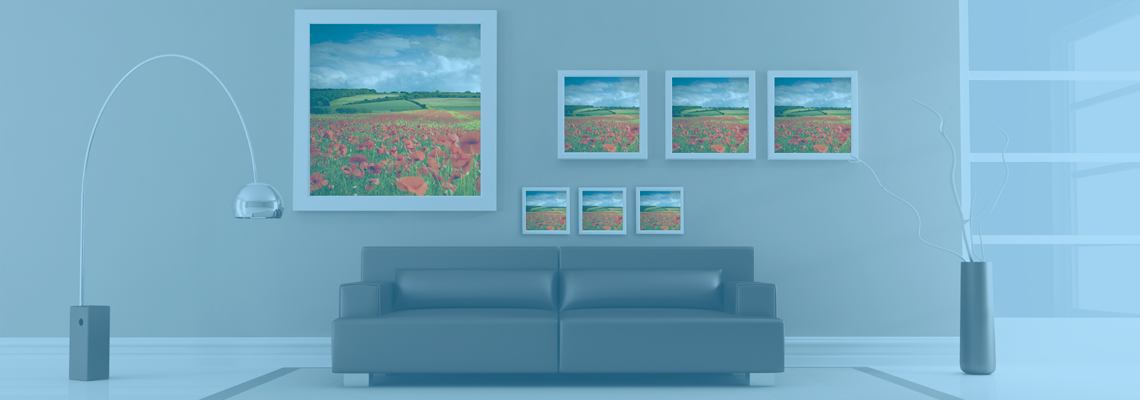
For a gallery wall, keep one element consistent, such as frame color, mat style, spacing, or image theme. Mixing sizes can create energy, but irregular spacing can make the arrangement look accidental. Lay the pieces on the floor first and photograph the layout before transferring it to the wall.
Decide whether you need a ready-to-hang product or a print that will be finished later. If you are uncertain about materials, contact the lab for guidance on image size, mounting choices, and finishing details. Bringing measurements and a room photo can make the discussion more productive.
A clear plan also helps when ordering personalized gifts, professional photography products, or large-format décor online. Save the original file, confirm the crop, review the proof when available, and inspect the final piece promptly for color, alignment, and surface quality.
Selection tips for a confident choice
Use these practical guidelines when deciding how to display your artwork:
- Choose traditional framing and a mat for portraits, heirloom photographs, and pieces that need strong protection.
- Select canvas when you want a lightweight, textured finish with a relaxed gallery appearance.
- Consider metal or acrylic for vivid images, contemporary interiors, and high-impact large-format displays.
- Use foam board or basic mounted prints for temporary exhibits, presentations, and cost-sensitive projects.
- Match the hanging hardware and protective finish to the artwork’s size, weight, location, and expected lifespan.
The best mounting option feels intentional when viewed from across the room and remains practical up close. It should preserve the image, complement the space, and make the finished artwork easy to enjoy every day. Bring your image, measurements, and design preferences to The Photo Place to create a wall display with the right balance of style and lasting quality.