How to Clean and Care for Your Framed Photographs
Framed photographs bring personal history into everyday spaces, whether they show a family gathering, a favourite beach, a wedding day or a landscape from a memorable trip. With suitable cleaning habits and sensible placement, a well-made frame can protect the print for many years while keeping the image bright and easy to enjoy.
Australian homes can be particularly demanding environments for photo displays. Strong sunlight, coastal air, household dust and seasonal humidity all affect paper, glass, backing materials and timber mouldings. A few careful routines will help preserve framed prints without scratching the glazing or allowing moisture to reach the photograph.
Choose Materials That Protect The Print
The frame itself is part of the preservation system, not simply a decorative border. Look for a firm backing, secure corners and glazing that sits evenly in the rebate. Regular glass is suitable for many everyday prints, while UV-filtering acrylic or conservation glass provides extra protection for valuable, irreplaceable or professionally printed photographs.
Mat boards should be acid-free and lignin-free where possible. Low-quality cardboard can release acids as it ages, causing yellowing, fading or brown marks around the edges of a print. A properly cut mount also keeps the photograph from touching the glazing, which reduces the risk of condensation, sticking and surface damage.
For a large-format print, check that the backing remains flat and that the hanging hardware is rated for the frame’s weight. Heavy frames need two fixing points or a suitable rail rather than a single small hook. In a rental in Melbourne or Brisbane, removable hanging systems can be useful, but select products that are designed for the load and inspect them periodically.
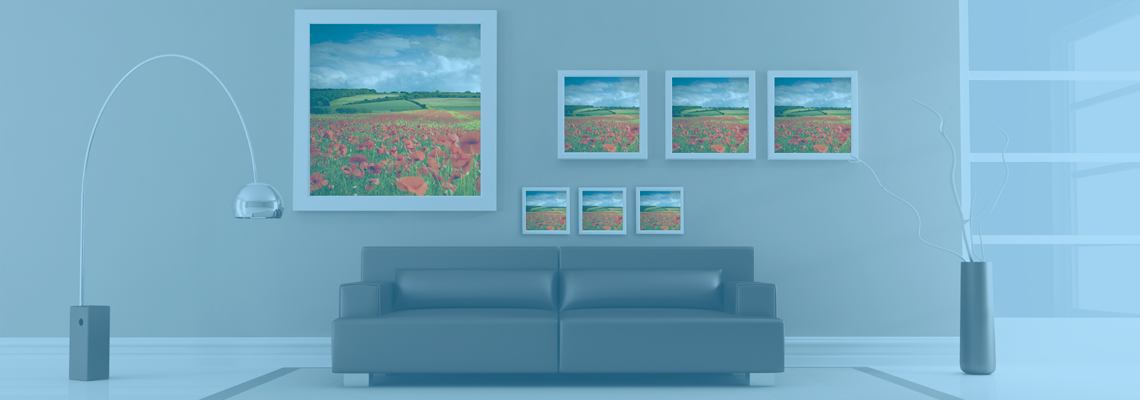
If several favourite images belong together, a carefully designed display can distribute them across a wall without crowding. A photo mosaic guide can help with planning the arrangement before prints are mounted, especially when different frame sizes need to work as one composition.
Place Frames Away From Heat And Sun
Direct sunlight is one of the fastest ways to fade photographic prints. A bright north-facing window in Australia can expose an image to intense ultraviolet light for much of the day, even when the room feels comfortable. Hang framed photographs on a side wall, use UV-filtering glazing and close blinds during the strongest afternoon light.
Avoid placing frames above radiators, near wood heaters, beside kitchen cooktops or directly over air-conditioning outlets. Repeated changes in temperature can make paper expand and contract, while warm air may carry grease or moisture onto the glazing. Bathrooms and laundries are usually poor locations because steam can enter through tiny gaps in the frame.
Coastal homes in places such as Wollongong, Newcastle, Perth or the Gold Coast may also experience salt-laden air. Salt residue can settle on glass and metal fittings, while humidity can encourage mould on paper or backing boards. Keep frames a little away from exterior walls and allow air to circulate behind them rather than pushing them tightly into a damp corner.
A games room deserves similar care. If a framed print hangs near screens, vents or frequently used equipment, dust can build up faster than expected. Even a display inspired by the hold and spin feature deserves enough clearance from electronics, heat and cleaning sprays to keep both the artwork and surrounding surfaces in good condition.
Clean The Glass Without Touching The Print
Begin by removing loose dust with a clean, soft microfibre cloth or a gentle air blower. Hold the frame securely and support it from underneath. Wipe the front of the glazing with light strokes rather than pressing hard, since pressure can transfer stress to the print or loosen a weak mount.
Never spray glass cleaner directly onto the frame. Liquid can run into the edges and soak the mat board, photograph or backing. Spray a small amount onto the cloth instead, and use a product suitable for the type of glazing. For acrylic, avoid ammonia-based cleaners and abrasive paper towels, as they may cause clouding or fine scratches.
Clean the glazing in sections, turning the cloth often so grit does not remain trapped against the surface. If fingerprints or oily marks are stubborn, use a barely damp cloth followed by a dry one. Make sure the frame is completely dry before returning it to the wall.
Do not open a sealed frame simply to dust the inside of the glass. If you see specks, fogging, insect marks or moisture between the print and glazing, the problem needs more than ordinary cleaning. A professional photo finishing lab or experienced framer can remove the artwork safely, inspect the mount and replace unsuitable materials.
Inspect The Back And Hanging Hardware
Every few months, check the rear of the frame for loose tape, bowed backing, rust, insect activity or signs of moisture. Look along the lower edge and corners, where dust and humidity often collect. A musty smell, rippled paper or dark spotting should be treated as an early warning rather than ignored.
Lift smaller frames from the wall with both hands and inspect the hooks or wire. For larger pieces, have another person steady the frame while you examine the hanging points. Replace stretched wire, bent rings and brittle plastic components before they fail. In earthquake-prone areas such as parts of Victoria or South Australia, additional security fittings can reduce the chance of a frame falling.
Keep framed photographs away from curious pets, children’s play areas and narrow hallways where shoulders or bags may catch the corners. Felt pads on the lower rear corners can create a small air gap and protect painted walls, but they should not be used to conceal dampness or mould.
If a print has sentimental value, photograph the front and back of the frame and record its dimensions, printing details and any restoration work. For especially important family images, consider creating a digital backup and storing an unframed duplicate in archival packaging. A framed print can remain on display while the original file or spare copy provides reassurance.
Simple Care Habits Worth Keeping
A consistent routine is safer than occasional vigorous cleaning. Add frame care to a seasonal household check, perhaps at the start of spring and again before the humid summer months. Use clean materials, handle the frame by its sides and avoid rushing when removing it from the wall.
- Dust the glazing and frame gently with a clean microfibre cloth.
- Keep framed prints out of direct sunlight and away from damp rooms.
- Use only acid-free backing and matting for valuable photographs.
- Inspect hooks, wire, corners and rear tape for wear.
- Never spray cleaner onto the glass, acrylic or timber moulding.
- Store spare prints flat in archival sleeves in a cool, dry cupboard.
- Replace damaged glazing or mould-affected backing through a qualified framer.
A display plan should also consider whether the image is best served by a frame, album or another format. High-use family photographs may be safer in a book that can be closed and stored, while a gallery-quality print benefits from stable framing. Comparing a hardcover and layflat book can help when deciding how to protect images that do not need to remain on a wall.
Do not use household polish, furniture oil, vinegar mixtures or disinfectant on a frame. These products may stain timber, soften finishes or leave vapour that affects the photograph. For ornate frames, painted mouldings or older pictures, a conservator should assess the surface before any treatment is attempted.
The best care routine is simple: limit light, control moisture, remove dust without pressure and inspect the frame before a small fault becomes serious. Start with the framed photograph most exposed to sunlight, move it to a shaded position, and record its condition today.