How to Choose a Frame for a Large-Format Portrait
A large-format portrait can transform a room, but the image is only one part of the finished piece. The frame controls how the portrait interacts with the wall, furniture, lighting, and surrounding décor. A thoughtful choice can make the photograph feel polished and intentional, while the wrong frame may overpower the subject or make a carefully printed image look unfinished.
Size, color, material, glazing, and mounting all influence the final appearance. A family portrait, wedding photograph, professional headshot, or fine-art black-and-white print may each call for a different presentation. The best frame supports the photograph without competing with it.
Before ordering a frame, consider where the portrait will hang, how much attention it should command, and how long you want the finished artwork to last. Professional finishing services can also help you coordinate printing, matting, framing, and wall display as one complete project. The Photo Place serves the Youngstown, Ohio area with large-format printing, framed prints, photo gifts, and other photographic finishing services.
Start With the Portrait’s Visual Character
The photograph itself should guide the framing decision. A colorful family portrait may work well with a simple neutral frame that gives the faces room to stand out. A dramatic black-and-white image can support a stronger contrast, such as a black, white, or deep wood frame. Soft pastel portraits often pair well with light wood, brushed metal, or a muted painted finish.
Look closely at the dominant colors and lines in the image. A frame does not have to match one exact shade, but it should feel compatible with the photograph’s overall palette. Warm images usually pair naturally with walnut, oak, bronze, or other warm finishes. Cooler images may look balanced in silver, white, charcoal, or black.
The mood matters as much as the color. A formal portrait may benefit from a traditional wood profile, while a contemporary studio portrait may look more refined in a narrow metal frame. If the photo has a vintage character, a distressed or gently ornamented frame may enhance that quality, provided the design does not distract from the subject.
Measure the Wall and the Viewing Distance
Large portrait printing requires more planning than choosing a standard-size picture frame. Measure the available wall area before selecting the print dimensions. Include nearby furniture, light switches, shelving, windows, and doorways in your assessment. A portrait that looks well proportioned in a showroom may feel cramped when placed above a narrow console.
The frame adds several inches to the finished size, especially when you include a mat. For example, a 24-by-36-inch print may become substantially larger once it is mounted, matted, and placed inside a wide profile. Record the maximum height and width available, then leave enough visual space around the artwork for it to breathe.
Viewing distance also affects the ideal scale. A large image intended for a hallway may need a simpler design because people see it while walking past. A portrait above a living-room sofa can support a more substantial frame because it will be viewed from across the room. When possible, use painter’s tape to mark the proposed outside dimensions on the wall before placing an order.
Choose a Frame Style That Supports the Room
The frame should relate to the room without forcing you to redesign the entire space. In a traditional interior, stained wood and detailed profiles can complement existing furniture. In a modern room, a slim black, white, or metallic frame can provide a clean border. Transitional spaces often benefit from medium-width wood or neutral finishes that bridge classic and contemporary elements.
Consider the visual weight of the portrait. A dark, wide frame creates a strong boundary and may be ideal for a dramatic image on a large open wall. A narrow frame produces a lighter, gallery-inspired appearance. If the portrait already contains intense color, elaborate clothing, or a busy background, a restrained frame usually creates a more comfortable presentation.
Use the following guide as a starting point rather than a strict rule:
| Portrait or Room Style |
Suitable Frame Direction |
Mat Recommendation |
Overall Effect |
| Formal family portrait |
Walnut, cherry, or classic black wood |
Ivory, cream, or soft white |
Warm and established |
| Black-and-white portrait |
Black, white, silver, or dark wood |
White or light gray |
Crisp and dramatic |
| Contemporary color portrait |
Slim black, white, or metal |
Minimal or no mat |
Clean and modern |
| Vintage or film portrait |
Natural wood, bronze, or distressed finish |
Warm white or muted beige |
Nostalgic and artistic |
| Bright, colorful image |
Simple neutral frame |
White or matching restrained tone |
Keeps attention on the photo |
| Rustic interior |
Medium or wide natural wood |
Cream or textured neutral |
Relaxed and coordinated |
Decide Whether a Mat Improves the Composition
A mat creates separation between the image and the frame. It can make a large portrait feel more refined, provide breathing room around the subject, and prevent the frame from appearing visually heavy. A mat is especially useful when the photograph has important details near the edges or when the frame finish closely resembles colors in the image.
White and ivory mats are versatile, but the right neutral depends on the photograph and room lighting. Bright white can emphasize a modern, high-contrast portrait. Ivory or warm white may be gentler with skin tones, sepia images, and traditional interiors. Gray can work well with monochrome prints and cool-toned décor.
A very wide mat creates a formal gallery appearance, while a narrow mat keeps the overall size more compact. For a portrait with generous negative space, a mat can reinforce the composition. For an image cropped tightly around the face or body, too much matting may make the subject appear smaller than intended. Ask the framing professional to show how different mat widths affect the finished proportions.
Protect the Print With Appropriate Materials
Framing is also a preservation decision. Large prints are exposed to sunlight, dust, humidity, and physical contact, so the materials used around them can affect their appearance over time. Conservation-minded glazing can reduce glare and help limit ultraviolet exposure, which is particularly valuable for artwork displayed near windows.
Standard glass may be suitable for some locations, but reflective surfaces can make a portrait difficult to see under overhead lights. Acrylic is lighter and often practical for very large frames, though it can attract dust and may scratch if cleaned incorrectly. Non-glare and UV-protective options offer different levels of clarity and protection, so the best choice depends on the room and the value of the image.
The print should also be mounted securely and appropriately for its paper type. A professional lab can advise on mounting methods, backing, and finishing options for large-format photography. If the portrait is an important family keepsake or a professional image intended for display, investing in archival-quality materials can help preserve its color and structure.
Match the Frame to the Display Location
The location determines both the style and practical requirements of the frame. A portrait above a fireplace may need a heat-conscious placement and sturdy hanging hardware. In a busy hallway, a narrower profile can reduce the chance of accidental bumps. In a bedroom, softer wood tones and low-contrast matting may create a calmer atmosphere than a high-gloss black frame.
Lighting should be evaluated at different times of day. Direct sun can cause fading, while strong spotlights may create reflections on glass. If the portrait will hang opposite a window or beneath bright fixtures, choose glazing and placement carefully. A slight change in wall position can improve visibility more effectively than choosing a different frame color.
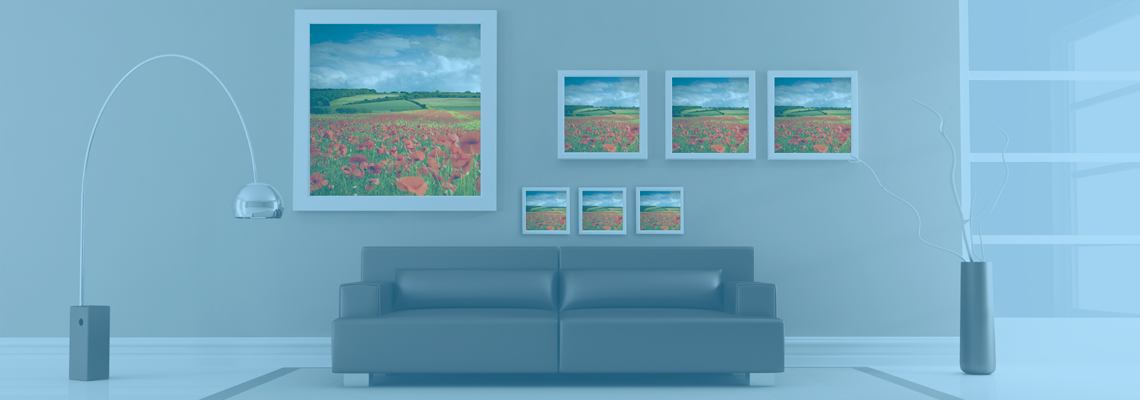
For gallery walls, match the frames by one consistent feature rather than making every piece identical. Several portraits can share a black finish while varying in width, or use different wood tones within a similar profile. If one large portrait is the focal point, let it have the strongest visual presence and keep surrounding frames quieter.
Prepare the Image Before Ordering
Frame selection begins with the file or negative as much as it begins with the wall. Check the crop, resolution, orientation, and intended print size before committing to a large enlargement. A portrait that looks sharp on a phone may reveal softness, noise, or distracting background details when printed at a larger scale.
Professional photographers should also consider how the frame will interact with branding and client presentation. Albums, proof sheets, framed prints, and wall art should reflect a consistent visual standard. Photographers working with film can learn more about the process through this film photography guide, then coordinate developing, scanning, printing, and display finishing through a local lab.
Before production, request a review of the crop and border. Important features should not be lost beneath a mat or hidden by the frame rebate. If the image will be printed on canvas, photographic paper, or another large-format surface, the framing method may change. Confirm the final outside dimensions, hanging orientation, and hardware before the order is completed.
Make the Final Selection With Confidence
A well-chosen portrait frame should feel connected to three things: the photograph, the room, and the way the artwork will be viewed. It does not need to be expensive or highly decorative to look professional. Proportion, restraint, and suitable materials usually have a greater impact than ornament.
Use these practical recommendations when narrowing your options:
- Bring wall measurements, furniture dimensions, and a room photograph to the framing consultation.
- Choose the frame finish after reviewing the actual printed image rather than relying only on a screen preview.
- Select a mat when the portrait needs visual breathing room or additional separation from the frame.
- Consider UV protection and low-reflection glazing for artwork near windows or strong lighting.
- Confirm the complete outside dimensions and hanging hardware before approving the finished piece.
Large-format portraits deserve careful treatment from image preparation through final installation. The Photo Place can help turn a digital file, film negative, or existing photograph into a finished display piece with printing and professional finishing services. Visit the Youngstown-area retail location or place an order online to begin creating a portrait presentation that suits both the image and the space.