Choosing Frame Materials for Wall Art That Lasts
A beautiful photograph or art print deserves protection equal to its visual impact. The frame supports the artwork, controls how it is displayed and helps shield it from dust, light, moisture and accidental handling. The right combination of frame, glazing, backing and mount can keep a treasured image presentable for decades rather than leaving it faded, warped or marked.
For Australian homes, material choice matters even more because sunlight can be intense, coastal air can be humid and indoor temperatures may change sharply between seasons. Whether you are framing family photographs, professional prints or a collection of travel images, professional photo finishing can help you choose a presentation that balances preservation, appearance and budget.
Why Frame Materials Affect Longevity
A frame is more than a decorative border. It creates a protective enclosure around paper, canvas or photographic material, while the backing helps prevent movement and the glazing reduces exposure to airborne pollutants and ultraviolet radiation. Poor-quality components can introduce acids, moisture or unstable chemicals that gradually damage the artwork.
The best frame materials are stable, durable and appropriate for the object being displayed. A valuable fine-art print may need conservation-grade materials, while a poster or frequently changed family photograph may be well served by a quality timber or metal frame with UV-filtering glazing. The intended lifespan, location and replacement cost should guide the decision.
Australian homes often place wall art in bright living rooms, hallways and above fireplaces. A north-facing wall in Brisbane or Perth can receive powerful light for much of the year, while a coastal home in Sydney, Adelaide or the Gold Coast may expose frames to salty, humid air. These conditions make protective glazing and a sealed, stable backing worthwhile.
Timber Frames Bring Warmth and Versatility
Hardwood remains one of the most appealing choices for framed art. Oak, ash, walnut and other well-seasoned timbers offer visual warmth, strong joints and a wide range of stains and finishes. Timber works particularly well with family portraits, landscapes, wedding photographs and traditional interiors, where its natural grain adds character without competing with the image.
For long-term display, look for kiln-dried timber with a stable finish and properly joined corners. High-quality mouldings are less likely to twist or split as indoor conditions change. A sealed surface also makes the frame easier to dust and helps limit the effect of moisture, which is useful in homes near the coast or in tropical parts of Queensland.
The backing and mount matter as much as the visible timber. Standard cardboard or acidic paper can release compounds that yellow a print and create a brown edge over time. Choose acid-free, lignin-free mount board and keep the artwork separated from the glazing with a window mount or spacer. This prevents condensation and stops the image from sticking to the glass.
Metal Frames Suit Modern and Archival Displays
Aluminium is a strong option for contemporary artwork, black-and-white photography and gallery walls. It is lightweight, resistant to warping and available in anodised or powder-coated finishes. Unlike untreated timber, aluminium does not absorb moisture in the same way, making it useful for apartments, offices and homes where temperature or humidity fluctuates.
Slim aluminium profiles can give a large print a clean, understated appearance without placing excessive weight on the wall. They are also practical when several images need to align in a grid. Black, silver and white finishes are common in the Australian framing market, while bronze and colour-coated options can create a more distinctive look.
Metal still requires a suitable inner package. A rigid backing board, archival mount and quality hanging hardware help protect the print and prevent the frame from flexing. For valuable photographs, ask whether the metal frame can accommodate spacers, conservation glazing and a sealed back. The frame itself may be highly stable, but it cannot compensate for acidic or poorly fitted internal materials.
Glass, Acrylic and Protective Glazing
Ordinary picture glass is affordable and offers a crisp viewing surface, but it provides limited protection against ultraviolet light. Over time, unfiltered sunlight can bleach colour photographs, fade inkjet prints and weaken paper fibres. UV-filtering glass is a sensible upgrade for artwork displayed near windows or under strong Australian daylight.
Museum or conservation glass can reduce glare and provide a higher level of UV protection. It is especially valuable for original photographs, signed prints and artwork that will remain in the same location for many years. Anti-reflective coatings improve visibility in rooms with downlights, although premium glazing can add significantly to the framing cost.
Acrylic glazing is lighter and more resistant to shattering than glass, making it useful for children’s rooms, busy hallways and large-format pieces. It can, however, attract dust, scratch more easily and develop static that may affect loose media. A quality UV-filtering acrylic sheet is preferable to basic plastic, particularly for expensive or irreplaceable artwork.
For homes with young children, a framed family image or a personalised piece may need to withstand regular contact. A custom project such as a photo puzzle for kids demonstrates how personal images can become everyday objects, but wall-mounted artwork should still use secure fixings, rounded edges where appropriate and shatter-resistant glazing in vulnerable areas.
Archival Mounting Protects the Artwork
The most durable frame can still fail if the print is mounted incorrectly. Never attach an important photograph permanently with ordinary tape, self-adhesive cardboard or household glue. These products can stain paper, become brittle or make future removal impossible. Conservation hinging, archival corners or other reversible methods allow the artwork to be supported without sacrificing its condition.
A window mount creates visual breathing space and keeps the image away from the glazing. Cotton rag or conservation board is a strong choice for valuable prints because it is buffered, low in impurities and designed for long-term contact with paper. The mount should be thick enough to prevent the artwork touching the glass, especially in climates where condensation is possible.
Backing boards should be rigid and moisture-resistant, while the rear of the frame should be properly sealed against dust. This does not mean making the package completely airtight; rather, it means limiting the entry of particles and insects while allowing the materials to remain stable. Professional labs can also supply proof sheets, framed prints and other finishing options when a consistent presentation is needed across a collection.
Matching the Frame to the Room and Artwork
A durable frame should complement the image rather than overpower it. Natural timber suits warm interiors and richly coloured photographs, while black aluminium can give monochrome images a sharper gallery appearance. White or pale timber may work well in coastal or Scandinavian-style rooms, provided the finish is strong enough to resist scuffs and yellowing.
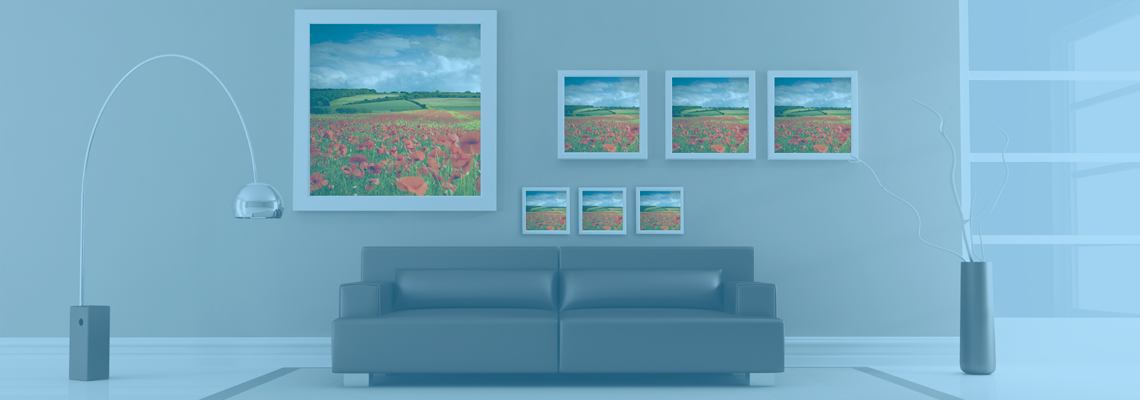
Think about scale as well as colour. A small photograph may need a generous mount and a wider frame to appear intentional, whereas a large landscape print often benefits from a simple profile that keeps attention on the image. For a series, using the same material and glazing across every frame creates continuity even when the photographs differ.
Personalised framed art also makes a useful gift for birthdays, anniversaries and housewarmings. Photo products can range from framed enlargements to calendars and keepsakes, and photo gifts can help turn an everyday memory into something designed for display. Select a frame that suits the recipient’s interior, not just the photograph itself.
Practical Choices for a Longer Display Life
- Choose UV-filtering glass or acrylic for artwork exposed to strong daylight.
- Use acid-free, lignin-free mounts and rigid archival backing for valuable prints.
- Select sealed hardwood or aluminium when the room experiences humidity or temperature changes.
- Keep framed art away from direct sun, heaters, fireplaces, damp walls and steamy bathrooms.
- Use secure wall fixings suited to the frame’s weight, especially in homes with children or pets.
Australian households should also consider everyday maintenance. Dust the frame with a soft, dry cloth and follow the glazing manufacturer’s cleaning instructions. Do not spray cleaner directly onto the glass, because liquid can seep into the mount and damage the photograph. In Melbourne’s cooler, damp periods or during humid weather in Darwin and Cairns, leave a small gap between the frame and an external wall if condensation is a concern.
When purchasing framing services, Australian Consumer Law gives buyers protections when goods are faulty, unsafe or significantly different from their description. A business making claims about archival quality, UV protection or conservation materials should be able to explain what those claims mean. Keeping the receipt and any product details is sensible for higher-value work, particularly when commissioning custom framing.
The ideal frame material depends on the artwork, the room and the length of time you want the piece to remain unchanged. Timber adds warmth, aluminium provides clean strength, acrylic improves safety and conservation materials protect the image itself. Remember that lasting wall art comes from the complete system: a stable frame, protective glazing, archival mounting, sound hardware and sensible placement.