The complete guide to ordering canvas wraps online
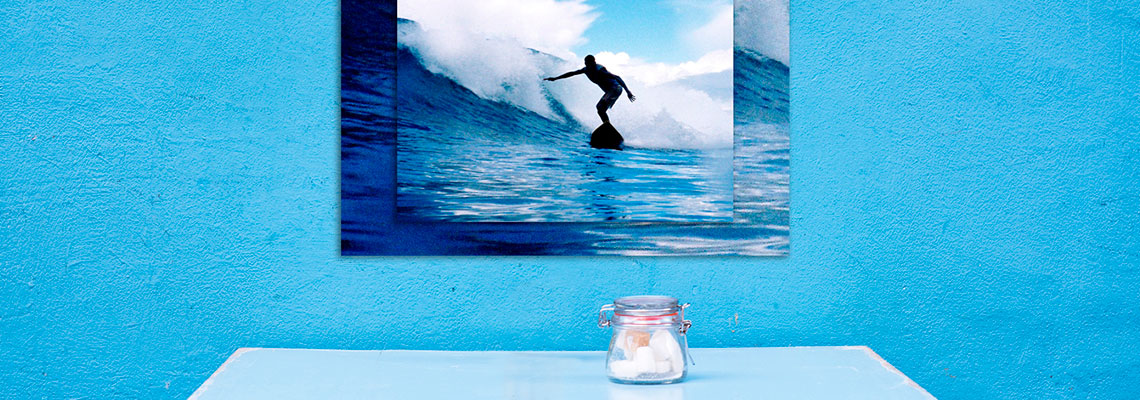
A canvas wrap turns a favourite photograph into wall art with texture, depth and a softer visual character than a standard framed print. The image is printed on canvas, stretched over a solid frame and finished with the edges wrapped around the sides. It can suit family portraits, travel photographs, wedding images, landscapes and professional artwork.
Ordering online gives you access to a wider range of sizes and finishes without carrying a large print home from a shop. For customers in Australia, the process also requires a little practical planning around centimetre measurements, delivery distances, interior styles and the quality of the original image.
A successful order depends on more than uploading a photo. You need to choose a suitable file, check the crop, understand how the picture will continue around the edges, select the right dimensions and confirm production and shipping details before payment. The following guide explains each decision in a straightforward way.
What a canvas wrap includes
A canvas wrap is made by printing an image onto coated canvas, then stretching that material over a wooden or composite stretcher frame. The canvas is secured at the back, leaving the picture clean and frameless from the front. This gives the finished piece a gallery-style appearance while keeping the overall design relatively simple.
The image may be printed with a matte, satin or lightly textured finish. Matte canvas reduces reflections in bright rooms, which is useful in sun-filled homes in Brisbane or Perth. A slightly lustrous surface can bring extra richness to a dark landscape, although it may show more glare near windows or downlights.
Canvas wraps work particularly well when the image has clear subject separation and enough space around the main focal point. A tightly cropped phone portrait may need more care than a spacious beach scene. Check whether the lab offers options such as mirrored edges, stretched edges, a coloured border or a white edge, as these choices affect the final look.
Choosing a photograph that will print well
Start with the largest, clearest original file available. An image exported from a social media platform may look acceptable on a phone but contain too little detail for a large wall print. The original camera file, a high-resolution JPEG or a properly exported TIFF will usually provide a stronger result.
Review the photograph at full size before uploading it. Look for motion blur, compression artefacts, dust marks and distracting objects near the borders. A canvas surface can soften fine details slightly, so photographs with strong shapes, good contrast and careful focus often produce the most convincing results.
Portrait orientation suits narrow walls, hallways and bedside areas, while landscape orientation can fill a space above a sofa or sideboard. Square canvas prints are useful for gallery arrangements and social-media-style compositions. If the photo does not match the available canvas proportions, avoid allowing an automatic crop to remove a face, building or important part of the scene.
Photographs taken in Australia often have strong sunlight and high contrast, particularly coastal images captured around Sydney, Adelaide or the Gold Coast. Open the file on a calibrated or reasonably accurate screen and check shadow detail before ordering. Very dark areas may lose some separation when printed, while overexposed skies cannot be restored by the lab.
Getting the size and crop right
Measure the wall space in centimetres rather than estimating from an online preview. Common choices include 40 × 60 cm, 60 × 90 cm and 75 × 100 cm, but the ideal size depends on viewing distance and the furniture beneath it. A large canvas generally needs breathing room around its edges rather than being pushed tightly into a corner.
Consider the proportion of the original image. A 3:2 camera photograph will fit some rectangular formats naturally, while a 4:3 phone image may require trimming. Panoramic photographs can look excellent above a dining table, but they may need a specialised wide format. If a family group is close to the edge of the frame, select a size that minimises cropping.
Remember that part of the photograph may disappear around the sides of the stretcher frame. Many labs offer a mirrored-edge option, where the outer image area is reflected onto the sides, preserving the visible front. A wrapped edge continues the image naturally but can place important details on the side panels. A white or solid-colour edge creates a cleaner border when the photograph reaches the frame limits.
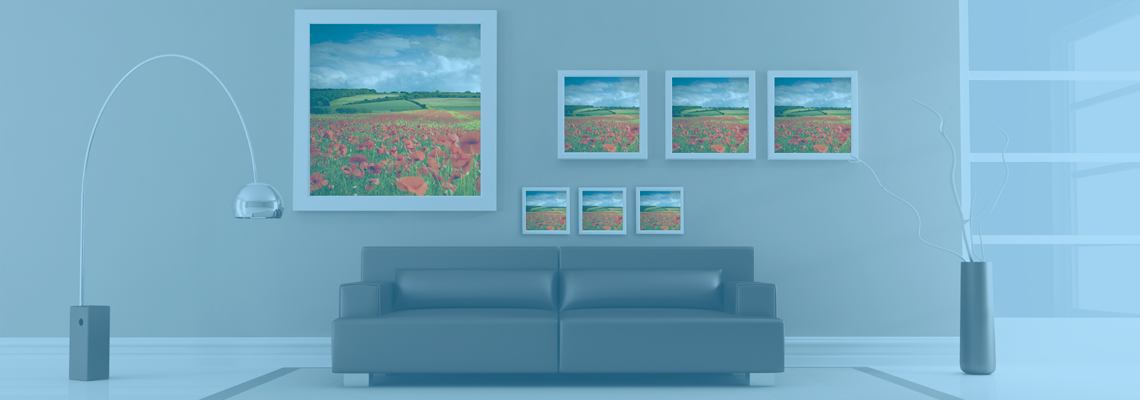
For a multi-panel display, plan the spacing before ordering. Three separate canvases can create a balanced arrangement above a Melbourne apartment sofa, but the image must be divided carefully so no face or key feature falls across a gap. Save a mock-up or mark the wall with paper templates before committing to several pieces.
Colour, resolution and file preparation
Before uploading, check the lab’s preferred file type, maximum upload size and colour requirements. JPEG files are convenient and usually suitable for photographic prints, while TIFF files preserve more information when a professional workflow requires it. Do not repeatedly save a JPEG, as every editing cycle can reduce image quality.
Colour can vary between a backlit monitor and a printed canvas. Screen brightness set too high may make the final artwork appear darker than expected. If you edit your own files, make gentle adjustments to exposure, contrast and saturation rather than applying heavy filters. A professional lab can often make basic corrections, but it is best to supply a well-prepared image.
Resolution matters most when the canvas will be viewed closely. A small file enlarged dramatically may look soft, especially in fine architectural details or text. Many online ordering systems show a quality warning or estimated print resolution. Treat that warning seriously, but remember that a large canvas viewed from across a room does not need the same pixel density as a small print examined at arm’s length.
If you are ordering artwork for a client, exhibition or business interior, inspect the proof carefully and confirm whether colour correction is automatic. Photographers may prefer to disable automatic adjustments when the file has already been professionally edited. Keeping a copy of the submitted file and order specifications also makes repeat orders easier.
Selecting a reliable online canvas service
Review the product description for information about canvas weight, coating, frame depth, stretcher-bar construction and hanging hardware. A deeper frame can create a more substantial profile, while a slimmer frame may suit a discreet home display. Look for clear information about how the canvas is protected during packing and transit.
Customer photographs and independent reviews can reveal details that product images do not show, such as corner finishing, colour accuracy and packaging quality. For Australian buyers, check whether the provider ships domestically, whether international delivery is available and whether taxes, customs charges or extended delivery times may apply. A local supplier may be simpler for a time-sensitive birthday, wedding or housewarming gift.
A professional finishing lab can be especially useful when you need consistent colour across several pieces, a matching framed print or assistance with a difficult crop. Labs that serve photographers may also offer proof sheets, albums and large-format output, which can help when a canvas is part of a larger presentation. For related professional print questions, you can contact the lab before placing a complex order.
Also consider how the business handles reprints, damage in transit and file privacy. Read the terms for cancellations and production changes, because personalised wall art is usually made to order. Keep your confirmation email, uploaded filename and payment receipt until the canvas arrives and has been checked.
Ordering, receiving and displaying the finished piece
Upload the final image only after confirming its orientation, crop and dimensions. Use the preview tool to inspect the visible front and, where available, the edges. Check spelling on any text-based artwork and make sure the selected quantity, finish and hanging option are correct before submitting the order.
Allow extra time around Australian public holidays, Christmas, major sales periods and deliveries to regional areas such as Far North Queensland or Western Australia. If the canvas is a gift, order early enough to accommodate production and freight. A tracking number is useful, but tracking updates may pause while a parcel moves between states or through a remote delivery network.
Open the package carefully and inspect the corners, surface and frame before mounting it. Do not place the canvas directly against a damp exterior wall, near a steamy bathroom or above a strong heat source. In humid coastal areas, leave a small gap for air circulation and avoid prolonged direct sunlight, which can gradually affect printed colours.
Use suitable wall anchors for the canvas weight and the wall type. Australian homes may contain plasterboard, brick, concrete or masonry, and each requires different hardware. Hang the centre of the artwork approximately at eye level, or align it with nearby furniture and other wall pieces. A soft, dry cloth is generally safer than sprays or abrasive cleaners.
A practical ordering checklist
A short checklist can prevent expensive mistakes, especially when the canvas is being ordered as a one-off gift or as part of a professional display.
- Use the original, highest-resolution photograph available.
- Measure the wall and compare it with the image’s aspect ratio.
- Check which areas will be folded around the stretcher frame.
- Review the preview, finish, hanging hardware and delivery terms.
- Keep the order confirmation and inspect the canvas before installation.
For passport or identification work, accuracy and compliance matter more than artistic presentation; a professional lab’s guidance can explain why professional passport photos are worth considering. Canvas ordering follows a different creative process, but the same care with file quality, specifications and finishing helps produce a dependable result.
The best canvas wrap is the one whose size, crop and surface suit both the photograph and the room. Prepare the image carefully, confirm how the edges will be finished, allow realistic delivery time and choose mounting hardware appropriate for the wall. With those details settled before payment, an online order can become durable, personal wall art rather than an oversized print that does not quite fit.