How Photo Finishing Technology Has Changed Since 1983
Photo finishing has changed dramatically since The Photo Place began serving the Youngstown, Ohio area in 1983. What once depended on darkrooms, chemical baths, enlargers, and carefully timed exposure now combines digital imaging, automated processing, color management, online ordering, and advanced display products.
The purpose, however, has remained steady: turning photographs into meaningful prints and finished pieces that people can share, preserve, frame, or give as gifts. Technology has made the process faster and more flexible, while professional care still matters when color, detail, and longevity are important.
Understanding this evolution helps explain why today’s photo lab can develop a roll of film, print a smartphone image, produce a large wall portrait, and create professional albums through connected workflows. It also shows why physical photographs continue to have a place in an increasingly digital world.
From chemical prints to digital workflows
In the early 1980s, most consumers photographed events with 35mm film, instant cameras, or medium-format equipment. Film had to be loaded, exposed, rewound, and taken to a lab for processing. Customers often waited for prints and negatives to be returned, and each stage required precision.
A traditional darkroom used light-sensitive paper, enlargers, filters, trays of chemistry, and temperature-controlled solutions. Technicians adjusted exposure and color by hand, making judgment calls that could significantly affect the final image. Dust removal, cropping, contrast correction, and print inspection were hands-on tasks.
As minilab equipment became more automated, processing times shortened and consistency improved. Machines could develop film, expose photographic paper, and produce standard prints with less manual intervention. This allowed local labs to serve more customers while retaining technicians for quality control and specialized requests.
Film processing becomes more precise
Film remains an important part of photography, especially for enthusiasts, artists, families with archival negatives, and professional photographers seeking a particular visual character. Modern film processing benefits from improved scanners, calibrated chemistry, digital dust correction, and high-resolution files that can be reviewed before printing.
The look of a photograph begins with the film stock. Color negative films can vary in saturation, contrast, grain, and skin-tone rendering, while black-and-white films offer their own range of texture and tonal response. Photographers comparing Fuji and Kodak stocks can make more informed choices about how a scene may appear after development and scanning.
Today, a lab can combine traditional processing with digital output. A roll may be developed chemically, scanned into a high-quality image file, and printed at several sizes. This hybrid approach preserves the character of film while making it easier to share images online, create enlargements, or order personalized products.
Mail-in film services have also expanded access to professional processing. Customers outside the immediate Youngstown area can send rolls to a trusted lab, receive digital scans or prints, and protect family photographs that might otherwise remain undeveloped in a drawer.
Digital capture changes the lab
The arrival of digital cameras transformed photo finishing. Instead of waiting for a roll to be processed, photographers could review images immediately, adjust settings, and transfer files directly to a computer. Memory cards replaced film rolls, while editing software introduced control over exposure, white balance, cropping, sharpness, and color.
Photo labs adapted by becoming digital production centers. A modern technician may work with files from smartphones, mirrorless cameras, DSLRs, scanners, and older media formats. Each source can have different resolution, color profiles, aspect ratios, and compression levels, so careful file preparation remains essential.
Digital printing also changed expectations. Customers can order a single image, produce several versions, or select different finishes without making a new exposure. Online ordering gives people a convenient way to upload files and choose products, while in-person assistance remains valuable for image selection, sizing, and display decisions.
The technology has improved speed, but it has not eliminated the need for expertise. An image that looks bright on a backlit phone screen may print darker. A low-resolution file may appear acceptable as a small print but become soft when enlarged. Professional review helps prevent disappointing results.
Printing expands beyond standard snapshots
Photographic printing once centered on a few common sizes, such as 3.5-by-5-inch and 4-by-6-inch prints. Current equipment supports a wide range of dimensions, surfaces, and applications. Customers can choose glossy or matte paper, fine-art finishes, canvas, metal, acrylic, greeting cards, photo books, and decorative wall products.
Large-format printing is especially useful for family portraits, wedding images, senior photographs, landscape work, business displays, and event graphics. A professional lab can assess resolution, sharpen files appropriately, and recommend a material that suits the image and its intended location. The result is more considered than simply enlarging a file at home.
| Photo finishing era |
Common workflow |
Available output |
Main advantage |
| Early 1980s |
Film exposure and chemical darkroom processing |
Standard photographic prints and negatives |
Hands-on craft and classic film character |
| Late 1980s–1990s |
Automated minilab development and printing |
Faster snapshots, reprints, and enlargements |
Greater speed and consistency |
| 2000s |
Digital cameras, scanners, and computer editing |
Digital prints, CDs, scans, and varied sizes |
Immediate review and flexible correction |
| 2010s |
Online ordering and expanded digital production |
Photo books, gifts, canvas, metal, and wall art |
Convenience and product variety |
| Today |
Hybrid film, digital, and professional color-managed workflows |
Archival prints, albums, large-format decor, and personalized products |
Broad creative choice with expert finishing |
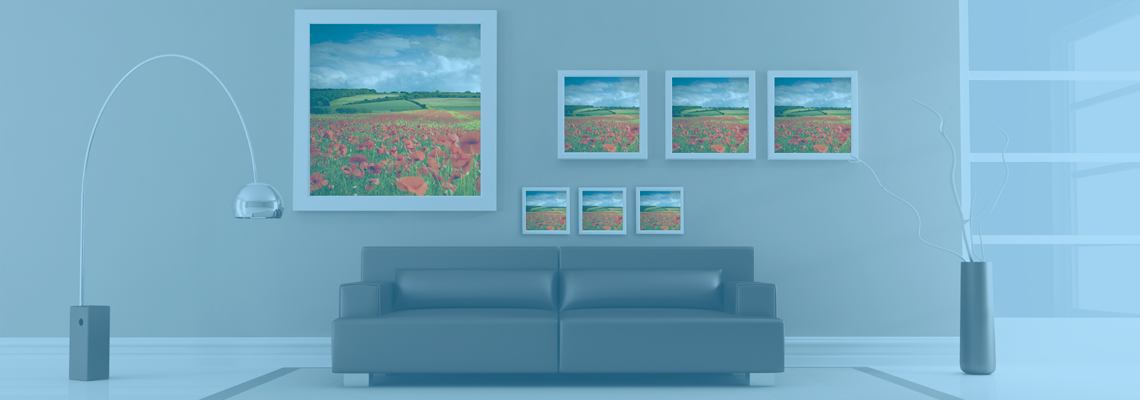
Room size has become part of the printing conversation as well. A large portrait may be ideal for an open wall but overwhelming in a compact bedroom, apartment, or dorm. Practical guidance on print sizes for small spaces can help customers choose artwork that feels balanced rather than crowded.
Professional finishing becomes integrated
Professional photographers now expect a lab to do more than produce loose prints. Albums, proof sheets, framed enlargements, mounted images, and presentation pieces are part of a complete finishing workflow. These products help photographers deliver a polished experience to wedding, portrait, school, commercial, and event clients.
Proofing has evolved as well. Digital galleries allow clients to review images remotely, but physical proof sheets can still make selection easier for certain projects. A printed layout shows an entire session at a glance and provides a tangible reference when choosing photographs for an album or wall display.
Color management is another major development. Calibrated monitors, standardized printer profiles, controlled lighting, and routine equipment maintenance help a lab reproduce color more accurately. Skin tones, neutral backgrounds, product colors, and subtle shadow detail all benefit from a controlled workflow.
Finishing technology also supports restoration and preservation. Old prints can be scanned, repaired digitally, reprinted, and enlarged. Faded colors, scratches, tears, and uneven exposure can often be improved without altering the character of the original photograph. This makes professional photo finishing useful for both new images and family history projects.
Convenience meets personal service
Online ordering has made photo products easier to access. Customers can upload files, select print sizes, choose gifts, and arrange pickup or delivery without visiting a store for every order. This convenience is especially useful for repeat purchases, holiday gifts, school pictures, and photographers managing multiple client projects.
At the same time, personal service remains a meaningful part of the lab experience. A customer may need help deciding whether an image should be printed as a portrait or landscape, whether a file is large enough for a poster, or which finish will reduce glare. A technician can identify issues that automated checkout tools may not explain clearly.
The range of available photo finishing services reflects this combination of technology and assistance. Film development, digital prints, passport photographs, wall decor, photo gifts, and professional output can all be handled through a connected local resource.
For customers who value speed, online tools are practical. For people with irreplaceable negatives, complex orders, or uncertain file quality, a conversation with an experienced lab professional can protect the final result. The strongest modern workflows make room for both options.
Choosing the right finishing approach
The best process depends on the original image, the intended use, and the desired appearance. A casual snapshot may work well as a small glossy print, while a wedding portrait may deserve archival paper, careful retouching, and custom framing. A film photograph may benefit from a high-resolution scan before any enlargement is attempted.
Keep these points in mind when planning a photo project:
- Match the print size to the file resolution and viewing distance.
- Consider matte, glossy, canvas, metal, or fine-art paper based on lighting and display location.
- Ask for guidance when printing important portraits, restored photographs, or large-format images.
- Preserve original negatives and high-resolution digital files separately from everyday copies.
- Use a professional lab for albums, framed work, color-sensitive prints, and heirloom projects.
The evolution of photo finishing technology has given customers more control without making the physical photograph less valuable. Film can still be developed with care, digital images can be refined with precision, and finished products can be tailored to a home, business, event, or professional brand.
Bring your film, digital files, negatives, or printing project to The Photo Place for dependable finishing in the Youngstown area. Order online when convenience matters, or visit the retail location for personal guidance on prints, gifts, wall decor, passport photos, and professional photography output. Turn the images on your screen or in your archive into finished photographs made to keep.