Why landscape photographs deserve a larger canvas
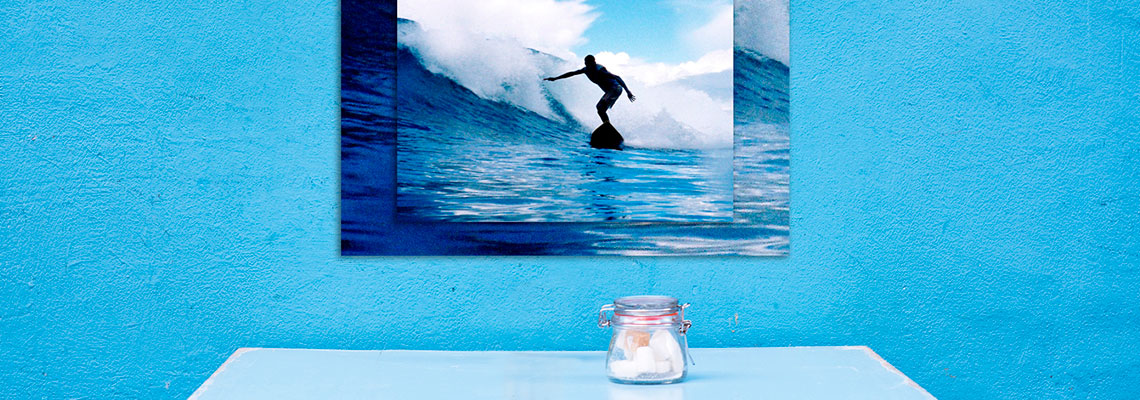
A striking landscape photograph can lose much of its power when it is confined to a phone screen or a small frame. The sweep of a coastline, the layered distance of a mountain range and the changing light across a desert need room to unfold. A large format print gives those elements physical presence, allowing the image to become part of the room rather than another file hidden in a camera roll.
For Australian photographers, this matters because the country offers scenes with exceptional scale. The soft colours of the Blue Mountains, the red earth around Uluru, the rugged Tasmanian coast and the bright open skies of Western Australia all benefit from a presentation that respects their proportions. A larger print can preserve the atmosphere that first made the scene worth photographing.
The investment is measured in more than paper size. It includes careful file preparation, professional colour management, archival materials, precise finishing and a frame or mounting method suited to the space. When these choices are handled well, a landscape print can remain visually compelling for years and become a meaningful feature in a home, office or hospitality setting.
Scale reveals the photograph’s full story
A landscape is usually built from relationships: foreground texture, a middle distance and a horizon that gives the scene its sense of place. Small prints compress those relationships. Fine branches, ripples in water and distant ridgelines may merge into indistinct marks, especially when the photograph is viewed from across a room.
Large format printing gives the eye enough space to travel through the composition. A field of wildflowers can feel expansive, while a long beach can carry the viewer towards the horizon. This is particularly valuable for photographs made with a high-resolution camera, stitched panorama or carefully scanned medium-format film, where detail has been captured with the intention of being examined.
Size should still be chosen with restraint. Enlarging a low-resolution file far beyond its useful limit will make softness, noise and sharpening artefacts easier to notice. A professional lab can assess the image dimensions, viewing distance and intended finish before printing, helping determine whether a standard large print, panoramic format or custom size will produce the strongest result.
Material choices protect colour and detail
The surface of a print changes how a landscape feels. Gloss paper can add depth to saturated skies and reflective water, while a lustre or satin finish reduces glare and fingerprints without making colour appear flat. Fine art cotton papers create a softer, tactile appearance that suits mist, subdued light and earthy tones.
Australian interiors also make conservation important. Strong sunlight through a north-facing window, summer heat and fluctuating conditions in coastal homes can gradually affect unprotected artwork. UV-filtering glazing, archival paper and appropriate backing can slow fading, although no print should be placed in direct, intense sunlight if longevity is a priority.
Framing is part of the investment rather than a finishing detail added at the last minute. A deep frame can give a panoramic image architectural presence, while a simple white, black or timber profile may suit a modern Sydney apartment or a relaxed coastal home. Mat board can create breathing space around the image and prevent the print from sitting too heavily against the frame.
A large print changes the role of a room
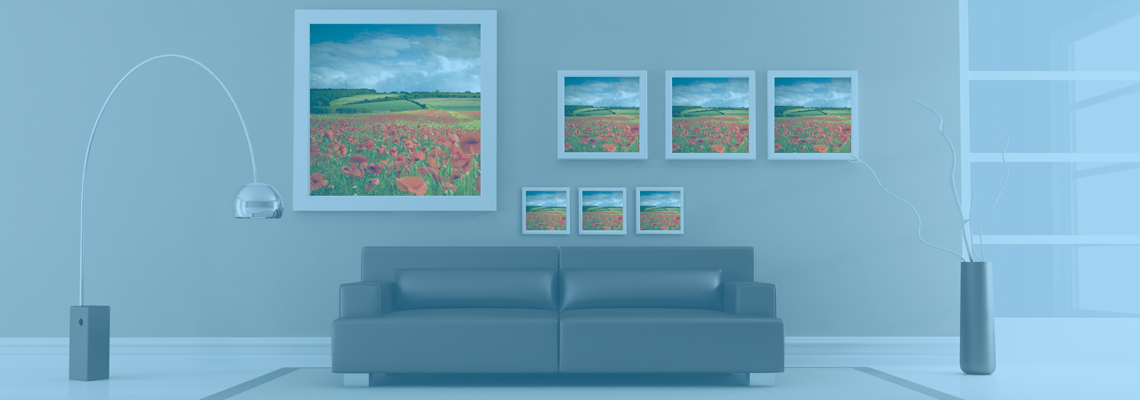
A small photograph often works as part of a group, shelf display or rotating collection. A large landscape can anchor an entire wall. Above a sofa, dining table, hallway console or reception desk, it can establish colour and mood before the rest of the room is considered.
This makes large prints especially useful for Australian homes, where open-plan living areas are common and walls can look unfinished when decorated only with small objects. A wide photograph of the Great Ocean Road may reinforce a coastal palette, while a muted alpine scene can bring calm to a Melbourne interior. In a Brisbane or Perth home, cooler blue and green tones can help balance bright natural light.
The viewing distance should guide the choice. A very detailed photograph may reward close inspection and work well in a study, whereas a broad, quiet composition can fill a larger living area without becoming visually busy. The aim is not to make the biggest possible print, but to select a scale that allows the image to hold attention comfortably.
Digital images are easy to overlook because they compete with every other screen-based distraction, from messages to mobile blackjack in Australia. A physical print removes that competition. It gives a favourite photograph a permanent location and turns an occasional glance into a more deliberate experience.
Professional finishing improves the result
The quality of the original capture matters, yet the final output depends on decisions made after photography. Colour management helps ensure that the tones seen on a calibrated monitor translate accurately to paper. A professional lab can also identify blocked shadows, overly bright highlights, unwanted colour casts and sharpening that may become harsh at a larger size.
File preparation deserves particular care with panoramas and cropped compositions. The final print ratio may not match the camera’s native ratio, so important features can be lost if the image is cropped without planning. Soft proofing, test prints and discussions about border width can prevent surprises when the finished piece is much larger than the screen preview.
There are practical choices beyond paper. Canvas can provide a softer, frameless appearance and is often suited to casual interiors. Aluminium or other rigid panels can give contemporary images a clean, durable finish. Framed photographic prints offer a more traditional presentation and can be paired with conservation glazing where protection is important.
Professional photographers also benefit from large format output when showing work to clients or selling editions. A carefully made exhibition print communicates the quality of the photographer’s capture more effectively than a compressed online gallery. For artists in regional centres such as Newcastle, Geelong or Toowoomba, mail-order lab services can make specialist finishing accessible without requiring a trip to a capital city.
The value lasts beyond the first viewing
A large landscape print can serve a practical role as well as an emotional one. It may commemorate a road trip, mark a favourite national park or bring a familiar place into a home after a move. Because the image is visible every day, it can develop meaning that a photograph viewed only occasionally on a device never has the opportunity to build.
The Australian market also supports a wide range of display purposes, from family homes and holiday rentals to cafés, hotels and professional offices. A well-produced coastal photograph can suit a relaxed accommodation property, while a dramatic outback image may give a corporate reception area a stronger sense of identity. Businesses should consider the artwork’s scale, colour balance and maintenance requirements alongside the rest of the interior.
Cost is easier to assess when the whole lifespan of the piece is considered. A cheap poster may need replacing after a short period, while a professionally printed and framed photograph can remain attractive through several changes in furniture or décor. Australian Consumer Law applies to goods and services purchased locally, so buyers should retain invoices and discuss specifications, delivery, damage procedures and any agreed colour or framing requirements with the supplier.
Digital files can also encourage endless postponement. They sit among holiday albums, social media images and online entertainment, including pages about bitcoin slots jackpots, while the intended print remains an idea rather than an object. Choosing one image, preparing it properly and giving it a place on the wall creates a more lasting relationship with the photograph.
A strong result begins with a photograph that has enough resolution, clear visual structure and personal significance. From there, the paper, size, border, frame and glazing should support the image rather than compete with it. A professional photo finishing lab can help turn those decisions into a finished piece that looks considered from the first day it is hung.
For Australian landscapes, large format printing is worth the investment because scale restores the breadth, texture and atmosphere that made the scene memorable. The right print does more than enlarge a file: it protects the photograph, gives it a place in daily life and allows its sense of distance to be felt. What the reader should remember is that a landscape earns a larger canvas when its detail, mood and meaning deserve to be experienced beyond the screen.