Why large-format prints can transform a dull wall
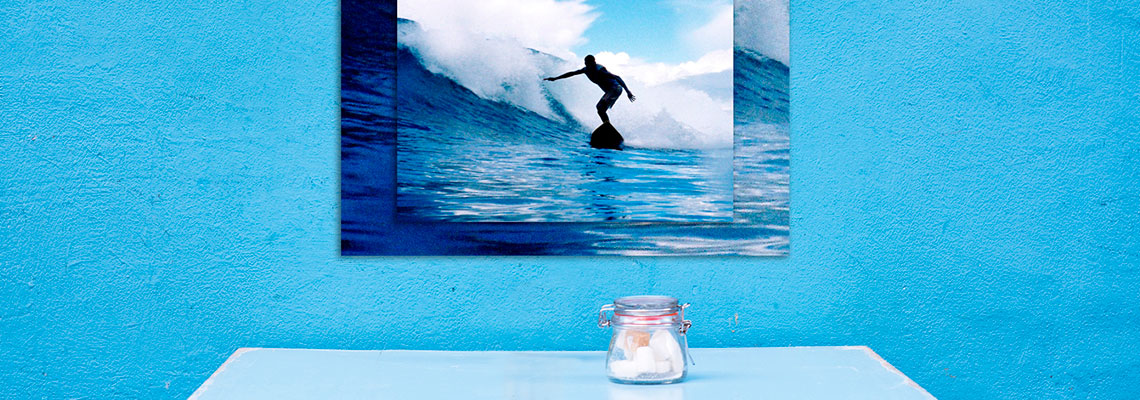
A blank wall can make an otherwise welcoming room feel unfinished, temporary or strangely flat. Furniture may be carefully chosen, lighting may be warm and the paint colour may be spot-on, yet the space can still lack a focal point. A well-made large-format print changes that balance by giving the eye something substantial to settle on.
The effect is about more than increasing the size of a favourite photograph. Scale, colour, paper finish and placement work together to create atmosphere. Whether the image is a coastal landscape from the Great Ocean Road, a family portrait or an abstract pattern, a professionally produced wall print can make a room feel more personal and considered.
Scale gives the room a visual anchor
Small artworks can disappear above a sofa, sideboard or bed, particularly in rooms with high ceilings. A large photographic print fills the available space with purpose and creates a visual anchor that connects the surrounding furniture. It can also make a sparse room feel complete without requiring a collection of smaller decorations.
The best size depends on the wall and the furniture below it. A print should generally have enough width to relate to a sofa, dining table or console rather than appearing like an isolated postage stamp. For a narrow wall, a tall portrait format may work better; for a broad living-room wall, a panoramic landscape can establish a calm horizontal rhythm.
In Australian homes, where open-plan living areas are common from Melbourne apartments to Brisbane townhouses, one oversized image can help define a zone without building a physical partition. A strong photograph behind a dining setting or lounge suite separates the area visually while keeping the room open.
A striking image changes the mood
Colour has an immediate effect on how a room feels. Deep blues and ocean greens can bring a cooler, quieter quality to a bedroom or reading corner. Terracotta, ochre and sunlit neutrals can add warmth to a room with pale walls and timber furniture. Black-and-white photography offers a crisp, architectural look that suits contemporary interiors.
The subject matters just as much as the palette. A misty forest may encourage a restful mood, while a candid family photograph can make a hallway feel lively and intimate. Travel images can recall meaningful places without turning the room into a themed display. Even a close-up of native flora, weathered textures or a coastal rock pool can provide a distinctly Australian sense of place.
When selecting a source image, look for clean composition and enough detail to withstand enlargement. A photograph that looks excellent on a phone may become soft or pixelated when printed several times larger. Professional file preparation and careful colour management help preserve the character of the original image.
Quality makes the difference at a larger size
Large prints expose weaknesses that may remain hidden in a smaller format. Blurred detail, digital noise, poor cropping and uneven colour become more obvious when the image occupies a substantial section of the wall. A professional photo lab can assess the file, advise on dimensions and recommend a suitable print surface before production.
Matte paper reduces reflections and is often a practical choice for rooms with strong daylight or several windows. Lustre paper offers a gentle sheen while controlling glare, making it a popular option for family portraits and landscape photography. Glossy surfaces can deliver rich colour and sharp contrast, although they need more careful placement away from direct light.
The display environment should also guide the decision. In bright Australian interiors, especially rooms exposed to harsh afternoon sun, UV-protective glazing or a carefully chosen position can help preserve the image. For valuable photographs or professional work, archival papers and pigment-based printing provide a more durable result than an inexpensive office print.
The right finish extends the design
Framing turns a print into a finished piece of interior decor. A slim black frame can sharpen a monochrome photograph, while natural timber can complement beach, bush or family imagery. White frames keep a bright room feeling airy, and a box frame can create a contemporary gallery appearance with useful depth around the artwork.
Canvas offers another way to introduce scale. Its texture softens the image and removes the need for glass, which can be useful in busy family spaces. Metal and acrylic finishes create a more polished, high-contrast look for modern photographs, city scenes and graphic compositions. The ideal choice depends on the image, the wall colour and how formal or relaxed the room should feel.
Think about maintenance as well as appearance. An artwork in a hallway may be touched or brushed past more often than one above a mantel. A print near a kitchen should be protected from steam and cooking residue, while a framed piece in a child’s room may need secure hanging hardware and shatter-resistant glazing.
Personal photographs become meaningful decor
A large-format wall print can turn an overlooked photograph into a daily reminder of a person, place or occasion. Wedding images, new-baby portraits and photographs of older relatives gain emotional presence when displayed at a size that allows faces and expressions to be appreciated properly. The result feels more intentional than leaving the image buried in a camera roll.
Professional photographers can also use large prints to show the full potential of their work. A landscape photographer might create a statement piece from a carefully edited series, while a portrait photographer can offer clients framed enlargements, proof sheets and display-ready products. The same finishing expertise is valuable for schools, sporting clubs, galleries and local businesses.
For images captured on film, the journey from negative to wall art deserves careful handling. Specialist film developing can help preserve detail before a selected frame is scanned, colour-corrected and enlarged. This is especially useful for older family negatives, analogue travel photographs and creative work made with medium- or large-format cameras.
One large artwork can simplify a busy room
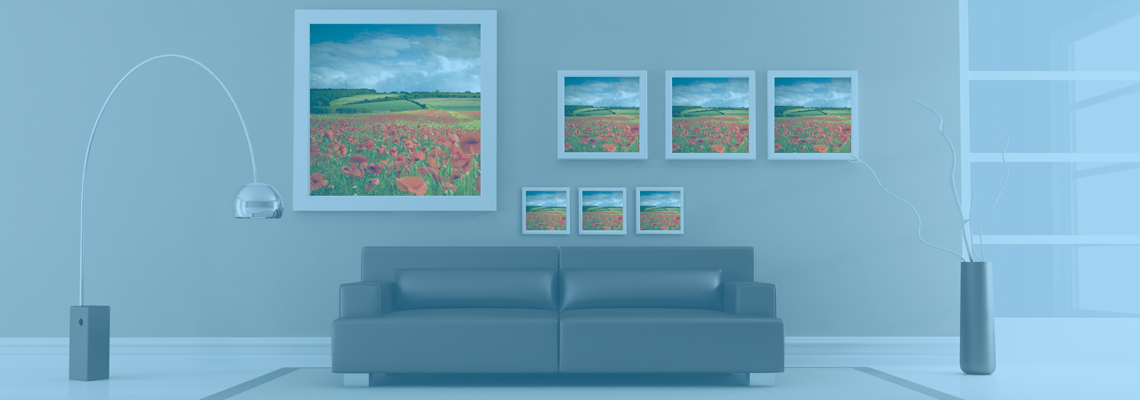
A dull wall does not always need a complex gallery arrangement. Several small frames can be attractive, but they require careful spacing, matching and alignment. One substantial photograph creates impact with fewer visual decisions and can make a room appear more orderly. This approach suits renters, home offices and interiors where storage, furniture or architectural features already provide plenty of activity.
A statement print also allows the rest of the room to remain restrained. Pull one or two colours from the image into cushions, a rug or a vase rather than matching every accessory. If the photograph includes eucalyptus green, for example, a single muted green detail elsewhere can create cohesion without making the space feel overly coordinated.
Digital inspiration can come from unexpected subjects. A bold, high-contrast image connected with live roulette design, for example, may suggest a graphic treatment built around circular forms, red, black and ivory. The point is not to copy an online page, but to notice how movement, contrast and repeated shapes might translate into a strong piece of wall decor.
Placement turns impact into balance
Hang the centre of the artwork roughly at eye level, adjusting for the height of the furniture beneath it. Above a sofa or console, leave a measured gap so the print feels connected to the furniture rather than floating too high. In a dining room, consider seated sightlines as well as standing height. A large work should be easy to enjoy during everyday use.
Before ordering, measure the wall and mark the proposed dimensions with painter’s tape. Step back from different parts of the room and observe how the shape relates to doorways, windows and lighting. This simple test can reveal whether a panoramic print is too wide or whether a portrait-oriented piece would better suit the available space.
Australian homes often have strong natural light, practical surfaces and a relaxed indoor-outdoor flow. A beach or bush photograph may work beautifully near a deck connection, while a more intimate portrait can anchor a quieter hallway. In a compact Sydney flat or a character home in Adelaide, thoughtful placement matters more than filling every available section of wall.
A professional lab can help move the idea from a phone screen to a finished display. The Photo Place supports custom photo printing for everyday photographs, professional projects, gifts and wall decor, with options for people who prefer to order online or discuss the result in person.
The most effective choice is usually an image with genuine meaning, printed at a scale that suits the room and finished for its lighting conditions. Start by selecting one photograph, measure the wall where it will hang, and request a print recommendation before placing the order.