Why Metallic Prints Add Depth to Your Favorite Images
A great photograph can feel flat when it is viewed only on a backlit screen. Metallic photo paper changes that experience by combining a glossy surface with a pearlescent base, allowing light to move across the image as the viewing angle changes. Colours appear richer, highlights feel brighter, and fine details can gain an almost three-dimensional quality.
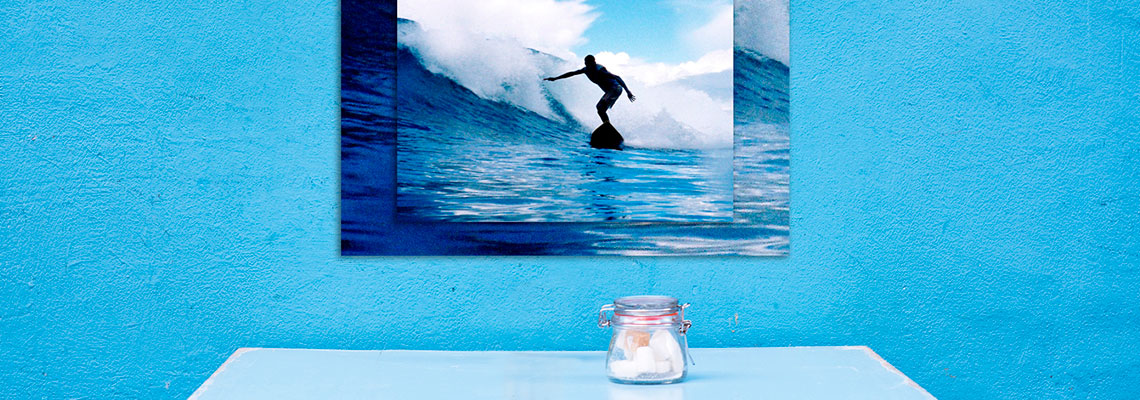
This finish is especially effective when the image contains strong contrast, reflective surfaces or carefully controlled lighting. A sunset, polished car, ocean horizon or night-time cityscape can take on extra luminosity without requiring digital effects that alter the original photograph.
For Australian homes, metallic prints offer an appealing way to display images in modern interiors. They suit the clean lines of a Sydney apartment, the bold walls of a Melbourne terrace or the bright, open spaces common in Brisbane and Perth. The right photograph and size can create a statement piece without needing an elaborate frame.
The Photo Place has served the Youngstown, Ohio area since 1983, helping customers turn digital files, film negatives and professional photographs into finished products. Its printing and finishing services give photographers and families practical options for creating artwork that can be ordered online or arranged with personal assistance.
How The Metallic Surface Creates Visual Depth
Metallic paper has a distinctive sheen beneath the printed image. Rather than providing a plain white background, the paper reflects light through lighter areas of the photograph. This gives highlights a luminous quality while preserving detail in midtones and shadows.
The effect can make a flat image feel layered. Snow may appear crisp, water can seem to catch moving light, and a glass building may show more separation between reflections and structure. The print does not literally add depth information to the file, but its reflective surface enhances the visual cues that already exist.
This is why metallic printing works best when the original image has a clear focal point and a useful range of tones. A carefully exposed photograph will usually benefit more than a low-resolution file with muddy shadows or blown-out highlights.
Images That Benefit From A Lustrous Finish
Landscape photographs are natural candidates for metallic photo prints. Beaches, desert roads, alpine scenes and aerial images often include broad areas of sky, water or foliage where the extra sheen can create atmosphere. Australian subjects such as the Great Ocean Road, Uluru at sunset or a coastal view near Sydney can look especially striking when the highlights are kept under control.
Portraits can also work well, particularly when they have directional lighting, rich skin tones and a simple background. Metallic paper may add polish to a fashion portrait or wedding image, though very bright skin highlights should be checked before ordering. The finish can emphasise texture, so a soft, low-contrast portrait may be better suited to lustre or matte paper.
Black-and-white photographs deserve consideration too. Silver tones, chrome, wet streets and dramatic skies can gain a subtle glow, creating separation without introducing colour. Images featuring jewellery, vehicles, architecture, fireworks or concert lighting are other strong choices because the reflective paper supports the subject’s natural brilliance.
Metallic Prints For Australian Spaces
Australian sunlight can be intense, particularly in rooms with large north-facing windows. Metallic prints are not immune to fading, so they should still be displayed away from prolonged direct sun and protected with suitable glazing when possible. A wall opposite a window may provide a pleasing change in viewing angle, but a spot exposed to several hours of harsh UV each day is less suitable for any photographic artwork.
Humidity and coastal air also deserve attention in places such as Cairns, Darwin, the Gold Coast and coastal New South Wales. Good mounting, a clean frame and sensible placement help protect the print from moisture and dust. In a compact apartment, an A3 or A2 metallic print can provide impact without overwhelming the room; larger walls may suit a panoramic format or a grouped arrangement.
The finish also aligns with local preferences for contemporary wall decor. A family photograph from an Australian road trip, a surf image from the Mornington Peninsula or a cityscape from Melbourne can feel more like gallery artwork when printed with a polished surface. For a home displaying several materials, metallic paper can add variation beside canvas, framed matte prints and timber décor.
Preparing Files For A Richer Result
Before ordering, inspect the image at a useful size and check whether important shadows contain detail. Metallic paper can make contrast feel stronger, so a file that already has blocked blacks or overly bright highlights may need careful adjustment. Screen brightness can be misleading, especially on a phone, where an image may look more vivid than the eventual print.
Colour management matters when the photograph includes subtle skin tones, warm interiors or graduated skies. Use a reliable monitor if available, avoid applying excessive clarity or saturation, and keep an original copy of the file. A professional photographer may also want to compare a test print before producing a full client order.
Finishing choices influence the final impression. A clean-edged print can suit a frame, while a mounted panel may be easier to display in a contemporary setting. Photographers preparing albums should consider how a high-sheen image will sit beside other pages; practical guidance on assembling a client album can help keep the finished presentation cohesive without pushing the budget too far.
When Another Paper May Be Better
Metallic is not the universal choice for every photograph. Images with a deliberately soft, subdued or documentary character may communicate better on matte paper. Matte surfaces reduce reflections and can be easier to view under bright gallery lighting or in rooms where lamps and windows appear directly opposite the wall.
Glossy or lustre paper can be a useful middle ground. Glossy stock produces strong colour and sharpness, while lustre reduces some reflections and fingerprints. For a newborn portrait, fine-art image or photograph intended for close reading, a softer surface may preserve the intended mood more effectively than a highly reflective finish.
The viewing environment should guide the decision. A metallic print placed in a dim hallway may look understated, while the same image near a bright window can become lively and dimensional. If you are comparing finishes for a business display, wedding collection or retail product range, ordering a small sample set can reveal differences that are difficult to predict from an online screen.
Selecting The Right Print For Your Image
The best choice combines subject matter, lighting, size and placement. A dramatic image with bright highlights usually has the strongest opportunity to show what metallic paper can do, while a low-contrast photograph may need editing before its qualities become visible. Consider whether the print will be handled often, viewed from several angles or displayed behind glass.
For customers sending files to a professional lab, checking resolution and cropping before checkout can prevent avoidable surprises. Film photographers can also benefit from professional scanning and printing, especially when a negative contains delicate detail that a basic home scan might lose. The Photo Place supports film developing, digital printing, large-format output and finishing services for photographers who want a physical result with more control.
Keep online information in perspective when researching any purchase or promotion: just as a reader may need to understand the conditions in a bonus rollover guide, a print order should be checked for dimensions, paper choice, cropping and delivery details before payment. These small specifications shape the final result more than a general description of “high quality” ever can.
Practical Choices For A Stronger Finished Print
- Choose metallic paper for photographs with bright highlights, deep colour and reflective detail.
- Review shadows, highlights and cropping at the intended print size before ordering.
- Keep artwork away from prolonged direct Australian sunlight and damp coastal conditions.
- Compare metallic, lustre and matte samples when the image has a soft or low-contrast mood.
- Select mounting and framing that protect the surface while allowing its reflective quality to remain visible.
A metallic print should invite movement: as someone walks past it or the room’s light changes, different parts of the image can become more prominent. That quality makes it particularly effective for statement portraits, travel photographs and modern wall art, where a static screen preview cannot reproduce the full experience.
It is also worth remembering that visual impact depends on restraint. A wall covered with highly reflective images may feel busy, while one carefully selected metallic print can become a focal point. Even when discussing small visual details—like the distinctions outlined in a baccarat side bets guide—specific choices matter, and the same principle applies to paper, size and presentation.
Select one favourite image with strong highlights, prepare a full-resolution file, and order a small metallic test print before committing to a larger wall display.