Why Metal Prints Belong in Modern Australian Homes
The right wall artwork can change the feel of a room without adding clutter. While framed paper prints remain a reliable choice, metal prints offer a fresh way to display beach memories, family portraits, travel photography and bold landscape images. Their clean edges, luminous colour and contemporary finish suit everything from a compact Melbourne apartment to a spacious Queensland living room.
A metal print is made by infusing an image into a coated aluminium panel rather than placing paper behind glass. This process creates a sleek, durable piece with a distinctive visual depth. For Australian homes, where strong sunlight, coastal air and busy family life can affect décor, that combination of style and practicality deserves serious consideration.
What Makes Metal Prints Different
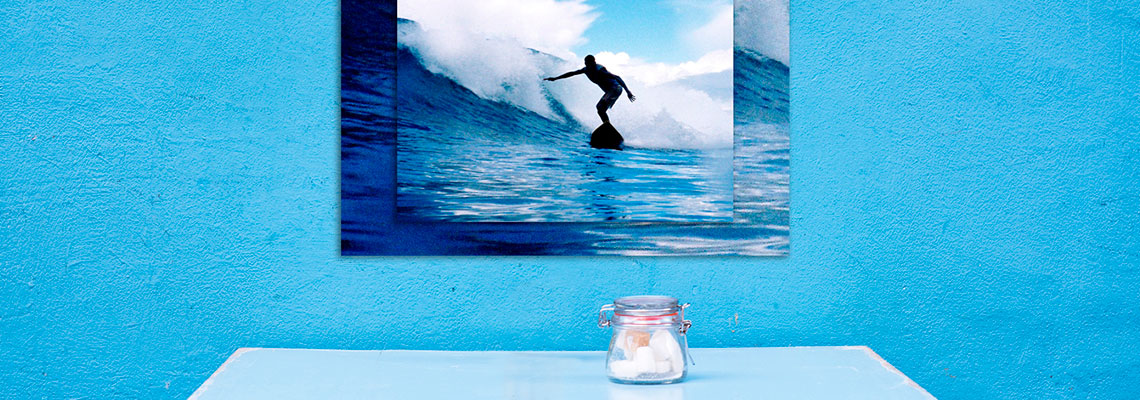
The most noticeable difference is the way the image appears on the surface. Aluminium gives colours a crisp, almost illuminated quality, particularly when a white base is used beneath the photograph. A reflective or glossy finish can make water, skies and city lights feel especially vivid, while a matte surface produces a calmer, softer presentation.
Because the photograph is bonded directly to the panel, there is no glass covering it and usually no bulky frame competing with the image. The result has a slim profile and a contemporary appearance. It can look at home in a minimalist Brisbane townhouse, a renovated Sydney terrace or a modern office reception area.
The material also offers a sense of permanence. A professionally produced panel is less vulnerable to the curling, creasing and paper-edge damage that can occur with unmounted prints. It still needs sensible care and should not be treated as indestructible, but it is a strong option when you want wall art that feels made for everyday living.
Colour That Works With Australian Light
Australian interiors often receive powerful natural light. A north-facing room in Adelaide, a sun-drenched Gold Coast unit or a home with broad windows in Perth can make ordinary prints appear flat or washed out. The reflective qualities of a metal surface can help an image retain visual energy in bright surroundings.
That does not mean every photograph should have the glossiest finish available. A high-contrast beach photograph may benefit from a vivid surface, whereas a black-and-white family portrait could look more refined with a matte finish. Images with clear highlights, saturated colours and strong shapes tend to translate particularly well to aluminium.
It is also worth considering where direct sun falls during the day. Even durable wall décor should be positioned thoughtfully, especially in rooms with intense afternoon exposure. A hallway, shaded wall or area away from constant window glare can help preserve the print’s appearance over time.
A Practical Choice For Busy Homes
Australian households often need décor that can cope with real life. Children, pets, weekend entertaining and regular house moves can make fragile artwork less appealing. A metal panel has no glass to shatter and no paper mat to collect dust, making it a practical alternative for a family room, staircase or home office.
The slim construction is useful in smaller properties as well. In a Melbourne apartment or a rental where every centimetre matters, a lightweight wall panel can create a strong focal point without the depth of a traditional framed piece. A rear float mount can also make the print appear to hover slightly away from the wall, adding interest without visual bulk.
Metal décor is easy to wipe gently with a soft, dry cloth. Avoid abrasive products, rough sponges and excessive moisture, particularly around the edges or mounting hardware. If the panel will hang in a covered outdoor area, consider humidity, salt air and temperature changes before choosing that location.
Choosing The Right Image And Finish
Resolution matters when a photograph is enlarged. A file that looks sharp on a phone may reveal softness or digital noise when printed at a large size. Professional photo labs can often assess the image and advise whether it is suitable for a statement panel, a medium wall piece or a smaller format.
Think about the emotional role of the photograph as well as its technical quality. A favourite family image may work best with natural skin tones and restrained contrast. A road-trip image from the Great Ocean Road, a desert sunset near Uluru or a bold architectural photograph may benefit from stronger colour and a larger format.
The image should also relate to the room’s existing palette. Warm timber, cream walls and woven textures can balance a vivid metal print, while a monochrome panel can settle into a room with patterned furnishings. If you are decorating a coastal home near Newcastle or Wollongong, ocean blues and sandy neutrals may create continuity without making the space feel overly themed.
From Film Memories To Finished Wall Art
A metal print does not have to begin as a recent smartphone image. Older negatives, slides and family photographs can become impressive contemporary décor after careful scanning and restoration. This is particularly valuable for Australians who have boxes of photographs from school years, overseas trips, weddings or relatives who migrated decades ago.
If your memories are stored in shoeboxes, a shoebox scanning service can help turn loose prints into organised digital files. Once scanned, selected images can be cleaned up, colour-corrected and prepared for a wall display while the original photographs remain safely stored.
Film photographers can take a similar path. After choosing a frame from a roll, quality film developing and scanning can provide a high-resolution file for printing. This is useful for analogue images made on trips through Tasmania, family holidays along the east coast or everyday moments captured before digital cameras became standard.
For Australian customers ordering from an overseas laboratory, check available delivery options, production times, currency conversion and any applicable import charges before placing an order. A professional lab can still be a valuable option when you want specialist colour handling, large-format printing or finishing that is difficult to achieve with a basic online photo kiosk.
Display Ideas For Every Room
A single large panel can anchor a living room above a sofa or sideboard. For a bedroom, a softer portrait or quiet landscape can create a restful mood. In a home office, a graphic city scene, native botanical image or photograph from a memorable journey can add personality without taking up desk space.
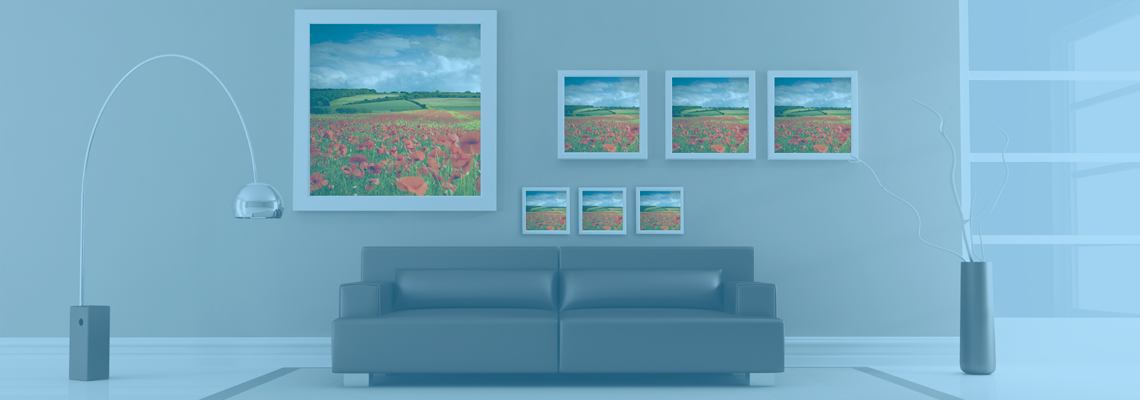
Several smaller panels can form a balanced group, especially when the images share a colour family or theme. A sequence of coastal photographs, for example, can run along a hallway, while a set of family portraits can bring consistency to a staircase. Keep spacing even and use the furniture below as a visual guide rather than allowing the arrangement to drift too high.
A metal print can also suit commercial settings such as cafés, creative studios, holiday rentals and reception areas. Its clean presentation works with contemporary branding, while a professionally finished image can make an otherwise plain wall feel considered. In regional towns as well as capital cities, locally meaningful photographs can give a business a stronger sense of place.
A Practical Selection Guide
Before ordering, spend a few minutes checking the image, the wall and the way the artwork will be seen. The best result usually comes from matching the panel’s size and surface to the photograph rather than choosing a finish simply because it sounds premium.
- Select a high-resolution image with clear focus and enough detail for the intended print size.
- Choose glossy or vivid finishes for colourful scenes, and matte finishes for portraits, monochrome work or rooms with strong glare.
- Measure the wall and consider furniture, doorways and walking paths before ordering a large panel.
- Use a professional lab for colour correction, image restoration and advice about cropping or enlargement.
- Review delivery conditions, mounting options and care instructions, particularly for interstate or international orders.
A metal print is most successful when it feels connected to the space and the memory behind it. Take time to view the image on a properly calibrated screen if possible, and remember that very dark photographs may need tonal adjustment before printing. If the artwork is intended as a gift, consider the recipient’s wall colour and personal style rather than choosing a format based only on your own preferences.
For Australians, this style of wall décor offers a useful balance between visual impact and everyday practicality. It can showcase a new digital photograph, give an old family image a second life or turn an analogue frame into a modern feature. The key point to remember is that a metal print makes a photograph part of the room itself: vivid, durable and ready to be enjoyed every day.