How to choose between glossy, matte, and metallic photo paper
The paper finish you select can change the character of an image as much as the colour correction or crop. Glossy, matte, and metallic surfaces reflect light differently, affect how sharp details appear, and suit different display conditions. A finish that looks excellent in a darkened gallery may be frustrating beside a sunny window or under bright downlights.
For Australian households, the decision also involves practical details such as strong summer sunlight, coastal air, compact apartment walls, and the way photos are handled at family gatherings. Whether you are printing holiday photographs, school portraits, wedding images, or professional work, the best paper is the one that supports both the picture and its intended use.
What the paper surface changes
Glossy paper has a smooth, reflective coating that produces strong colour saturation and crisp-looking detail. Blacks tend to appear deeper, and fine textures in landscapes, architecture, and highly detailed digital images can look especially vibrant. The reflective surface can also make fingerprints and glare more noticeable.
Matte paper has a lower-reflection finish, often with a soft texture that makes photographs easier to view from different angles. It usually gives colours a gentler, more restrained appearance. Metallic paper has a distinctive pearlescent or silver-like base, adding a luminous quality beneath the printed image. Highlights can appear to glow, while shadows retain a dramatic depth.
Your monitor cannot show every difference between these surfaces. Screen brightness, colour calibration, and room lighting influence what you see before ordering. If you are preparing a large batch, order a small test print first or compare samples from the same photo lab.
When glossy is the right choice
Glossy prints are a strong option for bright, colourful photographs where impact matters. Blue water, green foliage, colourful markets, and sunset skies can benefit from the finish’s saturation. It is also useful for small prints because the smooth coating can make details appear clean and sharp.
Family snapshots are often printed on glossy stock because the colours feel lively and the surface is easy to wipe carefully with a soft, dry cloth. Glossy paper can work well for a holiday album or a set of prints from a Sydney Harbour trip, provided the images will be viewed away from direct reflections.
The main drawback is glare. A framed glossy print opposite a window may be difficult to see during the day, especially in homes with strong north-facing light. Fingerprints can also become obvious when prints are passed around at a birthday party, school event, or Christmas gathering. Use a frame with glazing that reduces reflections if you want glossy paper on a bright wall.
Why matte suits display and handling
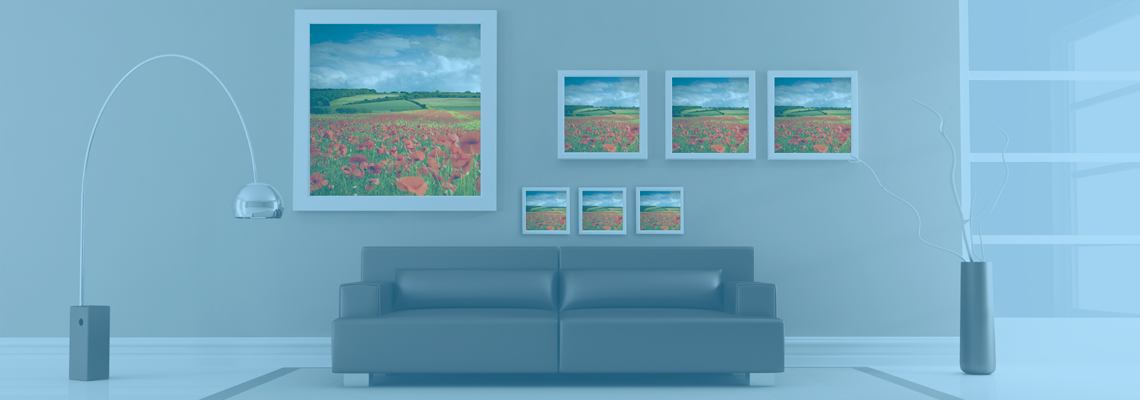
Matte paper is often the safest choice for framed wall art, portraits, and photographs that will be handled frequently. Its reduced sheen helps viewers see the image under varied lighting, which is useful in rooms with downlights or changing daylight. The surface also gives formal portraits and black-and-white images a calm, refined quality.
The texture can soften the appearance of very fine detail, so a matte print may look less razor-sharp than the same file on glossy stock. That is not necessarily a weakness. For a wedding portrait, a soft Australian landscape, or a documentary-style photograph, the quieter finish can support the mood better than a highly reflective coating.
Matte is particularly practical for homes near the coast, where bright light and pale walls can amplify reflections. It is also a good choice for rental apartments in Melbourne or Brisbane where you may not control the lighting around the artwork. If the print will be touched often, allow the paper to remain protected by a mount or frame rather than placing it loose on a table.
Where metallic paper makes an impact
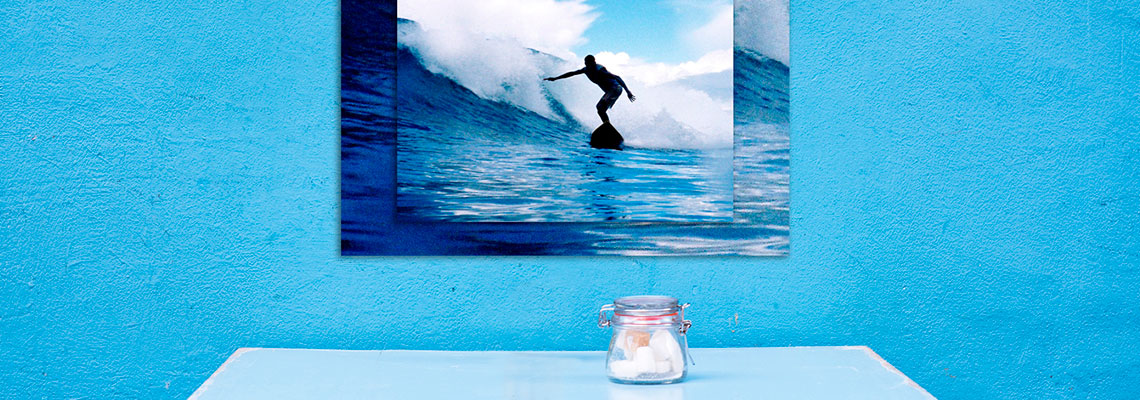
Metallic photo paper is designed for images that can use extra luminosity and contrast. Its reflective base can make silver jewellery, chrome, wet streets, night scenes, fireworks, and backlit subjects appear unusually vivid. It can also give a contemporary edge to automotive photography, city skylines, and dramatic coastal images.
This finish is less forgiving of poor exposure or distracting backgrounds. Overly bright highlights may become intense, while a flat photograph may not have enough tonal structure to benefit from the metallic effect. Review the image at full size before printing, paying close attention to skin tones, clouds, and areas of strong light.
Metallic prints often work best as statement pieces rather than as an entire wall of photographs. A large print above a sideboard or a carefully lit landscape in a modern interior can show off the paper’s depth. Avoid placing it where reflections compete with the image, such as directly opposite a large television or an unshaded window.
Match the finish to the photograph
Start with the image rather than the paper name. Colourful travel photographs, action shots, and detailed nature images often suit glossy stock. Formal portraits, monochrome work, old family photographs, and images intended for frequent viewing usually benefit from matte. High-contrast scenes, night photography, and photographs with light-catching details may be candidates for metallic.
Consider the final size as well. A small 10 × 15 cm snapshot can tolerate stronger saturation and shine, while a large wall print exposes glare, texture, and editing flaws more clearly. At larger sizes, inspect sharpening, noise, skin retouching, and the transition between shadows and highlights before selecting a finish.
Think about the object around the print as well. A photo book with pages turned regularly needs a surface that feels comfortable and durable. If you are comparing book construction as well as paper, this guide to a hardcover layflat book can help separate the cover decision from the page-finish decision. A layflat design may be valuable for panoramic wedding photographs, while a conventional hardcover may suit a compact family volume.
The image file itself deserves attention before printing. Remove duplicates, choose the strongest edit, check the crop, and confirm that the resolution suits the intended size. A useful workflow for organising digital photos can prevent an attractive finish from being wasted on the wrong version of a photograph.
Practical recommendations for a confident choice
A small test print is often more reliable than relying on a screen preview. Ask the lab whether the test can be produced on the same paper family and with the same colour correction planned for the final order. Professional photographers may also want to compare proof sheets, album paper, framed output, and large-format samples before committing to a client job.
For Australian passport applications, paper finish is not a creative decision. The photograph must meet the relevant current requirements for size, expression, background, lighting, and presentation. A specialist passport photo service can help produce a compliant image rather than treating an official document photo like a wall print.
- Choose glossy for vivid colour, crisp detail, and small prints viewed away from glare.
- Choose matte for portraits, black-and-white photographs, framed art, and frequent handling.
- Choose metallic for dramatic contrast, luminous highlights, and selected feature images.
- Order a test print when the image has unusual skin tones, deep shadows, or bright highlights.
- Match the paper size and finish to the lighting where the photograph will hang.
- Protect loose prints from fingerprints, moisture, and prolonged direct sunlight.
- Ask about archival quality, colour correction, mounting, framing, and delivery when ordering professional output.
The Photo Place has served the Youngstown, Ohio area since 1983 and offers film developing, digital printing, large-format work, photo gifts, wall decor, and professional finishing. Its mail-in film processing can be useful for photographers who still shoot 35mm or medium format, while online ordering provides a practical way to arrange prints and personalised products. Customers in Australia should check international delivery, turnaround times, customs handling, and available paper options before placing an overseas order.
A paper finish cannot repair an underexposed file, an inaccurate crop, or a low-resolution scan. It can, however, reinforce the photograph’s colour, atmosphere, and intended setting. For a first comparison, prepare one colourful landscape, one portrait, and one high-contrast image, then order each in glossy, matte, and metallic before selecting the finish for the full collection.