Smart Family Photo Displays For Small Homes
Family photographs bring warmth and personality to a home, yet displaying them can feel difficult when every wall, shelf and tabletop has a job. Compact flats, terrace houses and rented units often require ideas that use vertical space, avoid clutter and can be changed without major renovations.
The best ways to display family photos in a small space combine thoughtful editing with flexible formats. A small set of well-chosen images will usually have more visual impact than a crowded collection of mismatched frames.
This approach works across Australian homes, from a narrow Melbourne apartment to a Sydney rental where tenants must protect the bond. In Brisbane and other humid areas, it also pays to choose quality printing, protective glazing and stable mounting materials that can cope with moisture and changing temperatures.
A professional photo lab can help turn phone images, scanned family negatives and digital files into cohesive prints, framed artwork, albums or personalised gifts. The Photo Place supports customers with film developing, digital printing, wall décor and professional photo finishing, making it easier to create a display that suits the room rather than forcing the room to suit the photographs.
Use The Wall Area With Care
Begin by measuring the wall, furniture and clear walking space. In a small home, the area above a sofa, hallway console, staircase or dining table may be more useful than a large empty wall. Leave enough breathing room around the display so it looks intentional rather than squeezed into an available gap.
A vertical arrangement can make ceilings appear higher. Stack three or four portraits in a narrow column, or place a tall frame beside a doorway. A staircase is especially useful because a diagonal line of photographs follows the movement of the steps while using space that might otherwise remain blank.
Before drilling, lay the frames on the floor or cut paper templates to the same sizes. Use removable hooks where suitable, particularly in a rented home. For heavier framed prints, check the wall type and fixing strength rather than relying on adhesive alone.
Select A Consistent Print Style
A consistent visual treatment helps several family photographs work together. You could choose black-and-white prints for a calm, classic look, warm colour correction for older snapshots, or a restrained palette that echoes the room’s cushions, timber or artwork.
Different image sizes can still feel unified when they share a frame colour, border style or mounting method. For example, three small square prints can sit beside one larger landscape image if all four use white mats and slim timber frames.
Mounting has a practical effect as well as a decorative one. A floating frame gives a print a light, gallery-style appearance, while a traditional mat creates a border that separates the image from a busy wall. Before ordering, compare the options in this guide to wall art mounting so the finish matches the size, location and surface of the artwork.
Build A Gallery Without Overcrowding
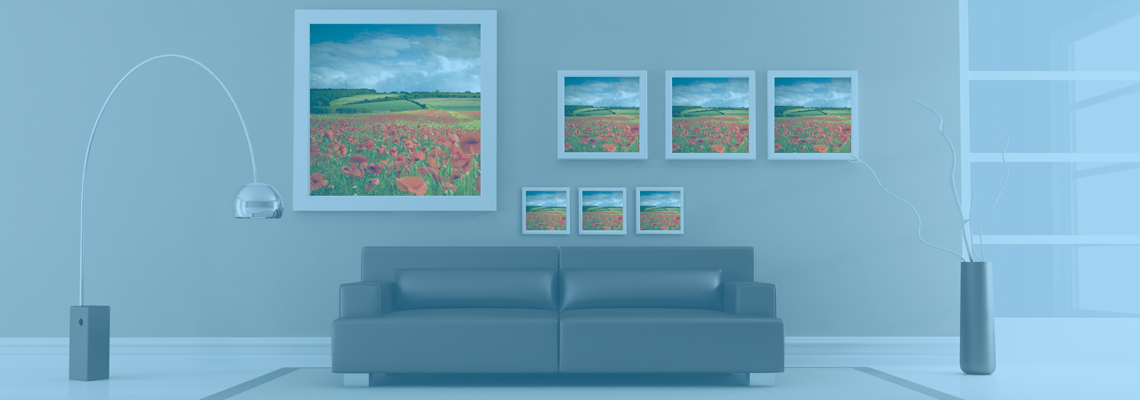
A compact gallery wall should have a clear structure. Align the top edges, keep even gaps between frames and repeat one or two dimensions throughout the arrangement. A grid of six square prints is often easier to live with than a random collection because it feels ordered while still showing different moments.
For a softer family display, arrange photographs around one larger central image. The main photograph might show a wedding, a newborn, a favourite holiday or several generations together. Smaller images can then capture details such as grandparents laughing, children at the beach or a family dog asleep in the car.
In Australia, a photo wall can reflect the places and rituals that make family life distinctive: a summer Christmas lunch, a weekend at the Mornington Peninsula, a trip to the Gold Coast or a backyard gathering during footy season. Keeping the display edited allows these memories to be seen clearly without making a small room feel visually busy.
Combine Frames With Compact Formats
Framed prints are not the only option. A slim photo ledge can hold several images and makes it easy to rotate photographs without adding new holes to the wall. Leaning prints against the rear lip creates a relaxed look, while a small object such as a vase or keepsake can anchor the arrangement.
Photo books are another efficient choice. A linen-bound album on a coffee table can preserve hundreds of photographs while taking up less visual space than a large wall display. Smaller accordion albums and softcover books are useful for school years, holidays or a baby’s first twelve months.
For narrow shelves, consider mini prints, mounted panels or a small calendar-style display. A magnetic poster hanger can suit renters because it is lightweight and easy to change. A single canvas or metal print can also provide a strong focal point without requiring a cluster of frames.
A Practical Display Checklist
The right combination of photographs, materials and placement will make the finished arrangement feel calm and personal. Before sending files to a printer or buying frames, review the room in daylight and consider how the display will look from the main seating position.
- Measure the wall, shelf or furniture before choosing print dimensions.
- Select photographs with varied poses, distances and expressions.
- Repeat a frame colour, border or mounting style for visual unity.
- Keep fragile or irreplaceable originals in a safe storage album.
A display can also serve a practical purpose when it becomes a gift or a rotating family record. For Australian Mother’s Day in May or Father’s Day in September, a small framed portrait, desk print or personalised photo product can be more meaningful than another generic present. These photo gift ideas can inspire compact options for relatives who have limited room.
- Use a photo ledge when you want to update images regularly.
- Choose acrylic or shatter-resistant glazing in children’s areas.
- Store duplicate digital files before ordering enlargements.
- Keep prints away from direct afternoon sun where possible.
Protect Memories For Everyday Living
Sunlight can gradually fade photographs, particularly near north-facing windows or bright sliding doors. UV-filtering glazing, archival-quality paper and indirect placement can help preserve colour. In sunny Australian homes, rotating displays every few months is another simple way to reduce prolonged exposure.
Humidity also deserves attention. In coastal Queensland, bathrooms, laundries and poorly ventilated rooms can affect paper, mounts and adhesives. Keep family photographs in dry living areas and avoid placing framed pieces directly above heaters, cooktops or areas where condensation collects.
Think about cleaning and daily movement too. A low frame in a busy hallway may be knocked, while a glossy print can show fingerprints. Matt surfaces, secure fixings and wipeable frames are often better choices for households with young children or pets.
Turn Memories Into A Personal Collection
Small displays become more engaging when they follow a story. You might arrange photographs by generation, location, year or shared activity. A narrow hallway could show a family timeline, while a kitchen ledge might hold informal images from birthdays, camping trips and weekend markets.
Short captions can add context without overwhelming the room. Include a date, place or first name beneath selected photographs, especially when older relatives or historic family homes appear. A small handwritten note scanned and printed beside an image can add an intimate detail.
Even playful memories deserve a place. If your family enjoys game nights, a tiny caption card beside a photograph could mention a favourite ritual, lucky number or ongoing family joke; an explanation of keno cold numbers may even become part of that light-hearted conversation. The display does not need to be formal to feel considered.
A good small-space arrangement leaves room for life to continue. Add new photographs gradually, retire images that no longer suit the room and keep the originals protected. The purpose is not to show every photograph at once, but to make the memories you see each day feel present, balanced and genuinely connected to the people who live there.
The most effective family photo display is edited, well mounted and suited to the way a home is used. Measure first, choose a consistent finish, protect the prints and let a few meaningful images carry the story.