What is the difference between canvas and fine art paper prints?
The difference between canvas and fine art paper prints is often easiest to feel in person: one feels woven and substantial, while the other presents a smooth, refined surface. Canvas carries ink across a woven surface stretched around a solid frame, while paper supports the image on a flat sheet designed for close viewing. The right choice depends on the photograph, the room and how the finished work will be handled.
Both options can suit Australian homes, offices and collections, but they serve different practical needs. Australian buyers are accustomed to comparing custom photo products online, making the choice of substrate especially important when texture cannot be judged from a screen. A gallery-wrapped canvas often feels immediate and architectural, whereas a mounted or framed paper print can look more restrained and gallery-like. The Photo Place, a professional photo finishing lab serving Youngstown, Ohio since 1983, offers digital and large-format printing, wall decor and personalised products through online ordering or retail assistance.
How the two finishes are made
Fine art paper is a photographic substrate with a surface formulated to hold ink accurately and reproduce subtle tonal shifts. Cotton-rag paper is valued for its smooth fibres, while matte, satin and lustre surfaces offer different degrees of shine. The image may be displayed behind a mat, glazing and frame, or mounted to a rigid board for a clean, frameless presentation.
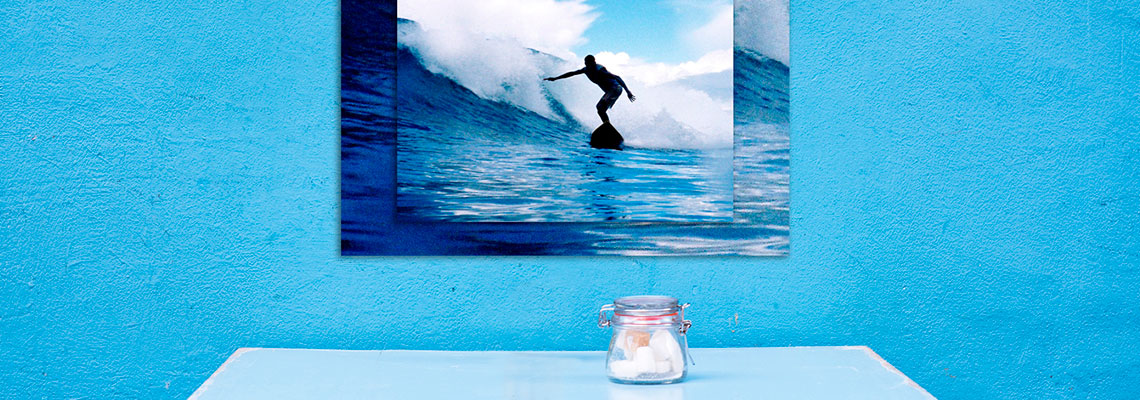
Canvas uses a taut woven fabric, usually cotton or a polyester blend, fixed to a stretcher frame. Gallery wrap extends the image around the sides, while a floating-style edge leaves a small shadow between the canvas and frame. This built-in depth makes canvas forgiving of minor wall marks and gives it a bold, tactile presence.
The construction also affects conservation. Paper is vulnerable to scratches, creases and damp handling, yet a protective frame or acrylic cover can shield the image. Canvas resists bumps but can dent if struck, and frame joints may open as timber expands or contracts. Neither material is maintenance-free, but each needs a different kind of care.
Colour, contrast and fine detail
Colour reproduction begins with an accurate file and a controlled workflow, but the surface affects the final result. Canvas coatings can deepen saturated tones and give shadows a soft, textured appearance. On fine art paper, a matte surface often preserves smooth gradients, while satin or lustre finishes add a controlled gleam that can make a bright image feel more energetic.
Fine detail depends on resolution, sharpening and the viewing distance. A large canvas viewed across a room does not need to expose every leaf or strand of hair with the same definition as a small paper print examined in the hand. Conversely, a low-resolution image enlarged dramatically will expose softness on either material, and a strong canvas texture can magnify the visibility of artefacts.
Australian photographers often describe a successful edit as colours that “pop”, and preparation matters as much as the substrate. The guide to capturing vibrant colours explains how exposure, white balance and editing affect what reaches the print stage. Bright clothing, green landscapes and warm skin tones can all shift when a file moves from a calibrated monitor to a physical print.
Sizing and placement in Australian homes
Metric sizing is the first practical adjustment for anyone choosing art in Australia. Common A-series paper dimensions include A3 at 297 by 420 millimetres, A2 at 420 by 594 millimetres and A1 at 594 by 841 millimetres. Canvas is often sold in matched portrait and landscape pairs, so check the listed image dimensions as well as the finished outer size, particularly because wrapped edges may change the visible crop.
A paper print is particularly flexible for traditional wall displays. It can be floated in a slim frame with a broad white mat, framed under glass for a formal look or mounted for a modern borderless finish. Canvas generally works best as a self-contained object: its wrapped edges and depth reduce the need for a separate frame, although a floating frame can create an elegant shadow gap.
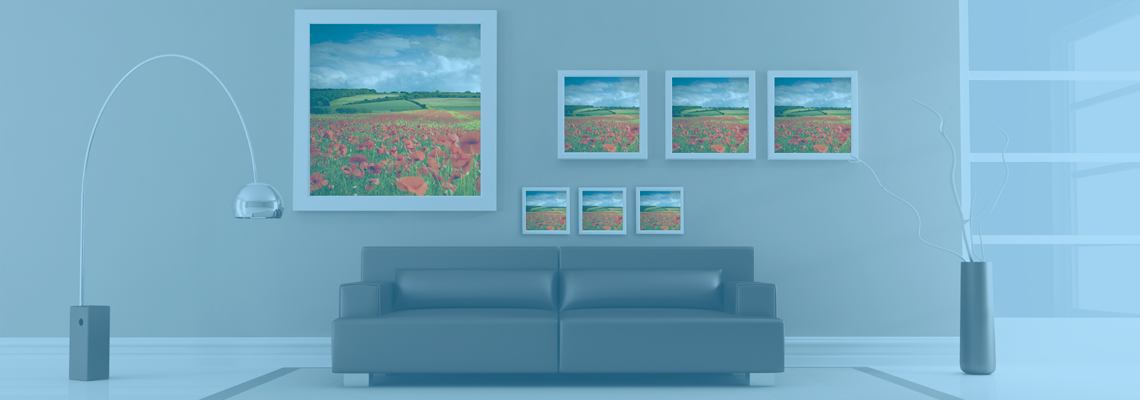
Placement should account for scale, furniture and light. A smaller paper print can feel intimate beside a sofa or in a hallway, while a large canvas can anchor an open-plan living area without making the wall feel crowded. In Australian interiors, white, timber, warm neutral and charcoal palettes are common, and either finish can work if its tone is matched to the surrounding decor rather than selected only by trend.
Durability in a bright, variable climate
Australian light can be demanding. Strong sun through west-facing windows in Perth, bright rooms in Brisbane and variable conditions in Melbourne can expose framed work to ultraviolet radiation, heat and humidity. Lightfastness ratings describe how well pigments resist fading, but they do not make a print immune to direct sunlight, so display location remains important.
Fine art paper needs a stable backing, an acid-free mat and suitable glazing. UV-filtering glass or acrylic can reduce glare and filter some ultraviolet light, while condensation between glass and paper is a greater risk in humid conditions. Avoid placing paper in a bathroom or unheated sunroom where moisture can linger.
Canvas handles ordinary handling a little more forgivingly, but heat still deserves attention. Its fabric and stretcher can respond to changing conditions, and some inkjet inks may fade sooner than their rated lightfastness suggests under intense exposure. Keep it away from heaters, air conditioners and exterior walls, dust it with a soft brush and clean only with a barely damp cloth. For any valuable image, archival materials and a conservative light level offer the best protection.
Matching the print to its purpose
Start with the image. Fine portraits, quiet landscapes, botanical studies and black-and-white work often benefit from the smooth tonal transitions of paper. A bold travel photograph, architectural image or family snapshot may gain energy from canvas, especially when enlarged for a communal space. The subject should lead the decision, with the substrate supporting its character.
Consider presentation and permanence together. A fine art paper print can sit behind glazing and remain visually light and refined. Canvas has presence and can make a generous wall statement without a large frame. For a formal collection, the material specification, archival status and conservation record matter more than the dramatic texture of either surface.
Professional use brings another layer of consistency. Photographers may need colour-matched proof sheets, durable client albums, framed prints and multiple copies of the same image for display or distribution. The Photo Place supports these workflows with professional photography finishing services and mail-in film processing. For a closer look at the practice, read about The Photo Place’s professional album service.
Canvas and fine art paper offer different visual and practical qualities: canvas brings texture, depth and a confident architectural presence, while paper offers delicacy, tonal precision and classic framing options. A photograph with fine detail may look best on paper, while a colourful scene intended to fill a room can feel especially alive on canvas. Comparing a crop or proof in the intended finish under the room’s actual lighting can prevent an expensive mismatch.
The practical next step is to measure the wall or album opening and send those dimensions, together with the preferred finish, to The Photo Place before placing the order.