Why matte paper suits fine art photography
Fine art photography is ultimately judged as a physical object. A beautiful image can lose impact when glare obscures highlights, reflections compete with the composition, or ordinary commercial paper makes colour feel harsh. Matte paper offers a controlled, low-sheen surface that lets the photographer’s tonality, detail and composition take priority. It is particularly effective for portraits, landscapes, black and white work and gallery-style images intended for close, considered viewing.
A matte finish alone does not guarantee a museum-quality photograph. Fibre content, ink technology, surface texture, colour calibration and the way the print is framed all influence the result. The Photo Place, a professional photo finishing laboratory serving Youngstown, Ohio, since 1983, combines traditional film developing with digital and large-format printing, wall decor and archival presentation services. That distinction matters: the best surface is one that supports the intent of the image rather than simply adding shine.
The visual character of a matte fine art print
Matte photographic paper has a minimally reflective surface that scatters light instead of returning it directly to the viewer. This reduces the bright patches often seen across glass or glossy paper, especially in rooms with windows, lamps and polished floors. The result is an understated presentation suited to fine art photography, where accurate relationships between shadow, midtone and highlight are usually more important than an artificially glossy finish.
The surface also gives the print a tactile quality that encourages closer inspection. Smooth matte fine art paper preserves fine detail without introducing the pronounced texture associated with some watercolour-style stocks. Cotton-rag and other fibre-based papers can create a subtle, substantial appearance, while pigment inks provide saturated colour and stable tonal reproduction. A well-made matte print therefore feels less like a conventional snapshot and more like a finished artwork.
Colour, contrast and tonal depth
One of the strongest arguments for matte paper is its ability to present colour naturally. Without a hard specular reflection, skin tones, muted landscapes and atmospheric colours appear more evenly across the sheet. Photographers can retain subtle gradations in skies, shadows and fabric without viewers being distracted by glare. For black and white photography, matte paper can also make delicate greys easier to distinguish, provided the print has been correctly profiled and exposed.
Matte surfaces do not automatically produce deeper blacks or stronger contrast. A rough stock can slightly soften fine detail, while some smooth mattes can look less punchy beside a high-gloss print. Good digital workflows compensate for these characteristics through printer profiles, controlled ink density and careful image preparation. When paired with archival pigment inks, a smooth matte fine art stock delivers rich yet restrained colour, which is why it remains popular among professional photographers and discerning print buyers.
Matte paper in Australian homes and galleries
Australian display conditions make the low-reflection qualities of matte paper especially useful. Sydney and Perth homes can receive strong coastal light, while Brisbane and Darwin combine humidity with intense sunlight. Melbourne’s weather can shift sharply between bright summer days and soft winter light. In such an environment, a non-reflective print reduces dependence on viewing angles and makes it easier to appreciate the image in rooms used for family keepsakes, hospitality spaces and private collections.
Paper sizing is another local consideration. Australian printers commonly use A-series dimensions such as A3 and A2, alongside panoramic and custom formats, rather than relying exclusively on inch-based sizes. These standard sheets fit local framing habits and leave room for an archival mat border. When ordering from an overseas laboratory, specifying the intended A-series size and finished framing dimensions can prevent unnecessary cropping or resizing.
Gallery framers in Melbourne, Sydney, Canberra and Adelaide often discuss low-glare glazing and UV protection when advising collectors. That practical vocabulary is helpful for photographers too: matte paper does not need to sit behind ordinary reflective glass to perform well. It simply needs a suitable glazing, stable backing and sensible placement away from prolonged direct sunlight. Regional Australian customers who order prints online can also benefit from choosing a clearly described matte stock, since “smooth matte”, “textured matte” and “glossy” create very different results.
Matching the finish to the artwork and venue
The strongest choice depends partly on where the photograph will live. A matte print is particularly effective for wall decor in a living room, home office or quiet hallway, where people tend to stand back and move around the image. It also works well for portraits with restrained colour and for fine art photographs displayed under directional gallery lighting. Reflections are less disruptive, so the eye settles on expression, texture and tonal relationships rather than the physical surface.
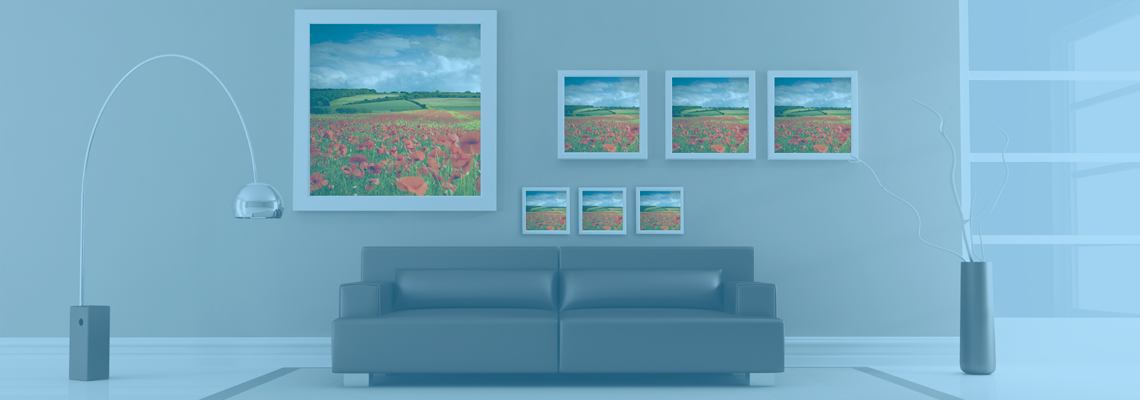
Some commercial environments still benefit from gloss. A vibrant fashion image behind controlled display lighting, for example, may benefit from the added impact of a glossy finish. Even then, glare and fingerprints can become distracting over time. When several photographs form a coordinated collection, consistency in paper, tone and treatment is more valuable than mixing finishes. Planning a themed photo shoot can help establish the palette and compositions before a consistent set of matte prints is produced for a hallway, triptych or larger wall installation.
Framing, glazing and long-term care
A matte print should be framed with the same care given to the image itself. Acid-free mat board, a rigid archival backing, suitable spacers and acid-free corners help prevent physical damage. Matte paper reduces glare at the print surface, but poor glazing can still create reflections. Museum-grade acrylic or conservation glass is useful in bright Australian interiors, while standard glazing may be sufficient in a dimmer room. The frame should also allow for air circulation and avoid trapping humidity against the print.
For older family photographs, conservation should come before reframing. Guidance on restoring damaged photographs can help identify whether torn edges, fading, stains or brittleness can be treated safely. Newly printed fine art work deserves an equally conservative display plan: keep it away from bathroom steam, kitchen moisture, direct afternoon sun and exterior walls. Store unframed prints flat in a dark archival sleeve, and handle them by the edges with clean, dry hands.
A practical checklist for ordering matte prints
The Photo Place’s professional print services cover the practical stages involved in creating finished photographic work, from digital files and film processing to large-format prints and presentation. A matte order is strongest when the photographer controls the details that the laboratory cannot infer from an image file.
- Choose a smooth matte fine art paper when fine detail, skin texture and subtle tonal gradation are priorities.
- Confirm that archival pigment inks and the intended paper stock are being used for a collectible print.
- Review a proof or colour-managed soft proof before approving a final run, especially for saturated colour.
- Specify the finished size in millimetres or an A-series format such as A3 or A2.
- Match the paper choice to the display environment, considering glare, UV exposure and humidity.
- Use archival framing materials, including acid-free mat board, a rigid backing and appropriate glazing.
- Order one representative print at final size before producing a complete series or multi-panel wall display.
The practical takeaway is to treat matte paper as part of the creative decision: select a smooth fine art stock, inspect it at full size under the intended lighting, and frame it for stable, long-term viewing.